2020 Nissan Altima Oil Capacity: Complete Guide (2.5L & 2.0L Turbo)

- Ford Expedition Years to Avoid A Mechanic’s Complete Guide (2026) - January 28, 2026
- 5 Signs You Need to Change Your Transmission Fluid Chevy Silverado - January 27, 2026
- Ford Maverick Years to Avoid: Worst & Best Models (2022-2026) - January 26, 2026
So you’re standing in the auto parts store, staring at rows of motor oil bottles, wondering how much your 2020 Altima actually needs? I get it. And honestly? You’re not alone. I run a quick lube shop in Texas, and this is literally the most common question I hear every single week. “How much oil does my Altima take?” The answer isn’t complicated, but there’s more to it than just a number.cLet me walk you through everything—the exact capacities, which oil to buy, when to change it, and the mistakes that cost people thousands of dollars.
Grab a coffee. This’ll take five minutes to read, but it could save you serious money down the road.
Quick Answer: Oil Capacity by Engine Type
First things first. Your 2020 Altima comes with one of two engines, and they need different amounts of oil.
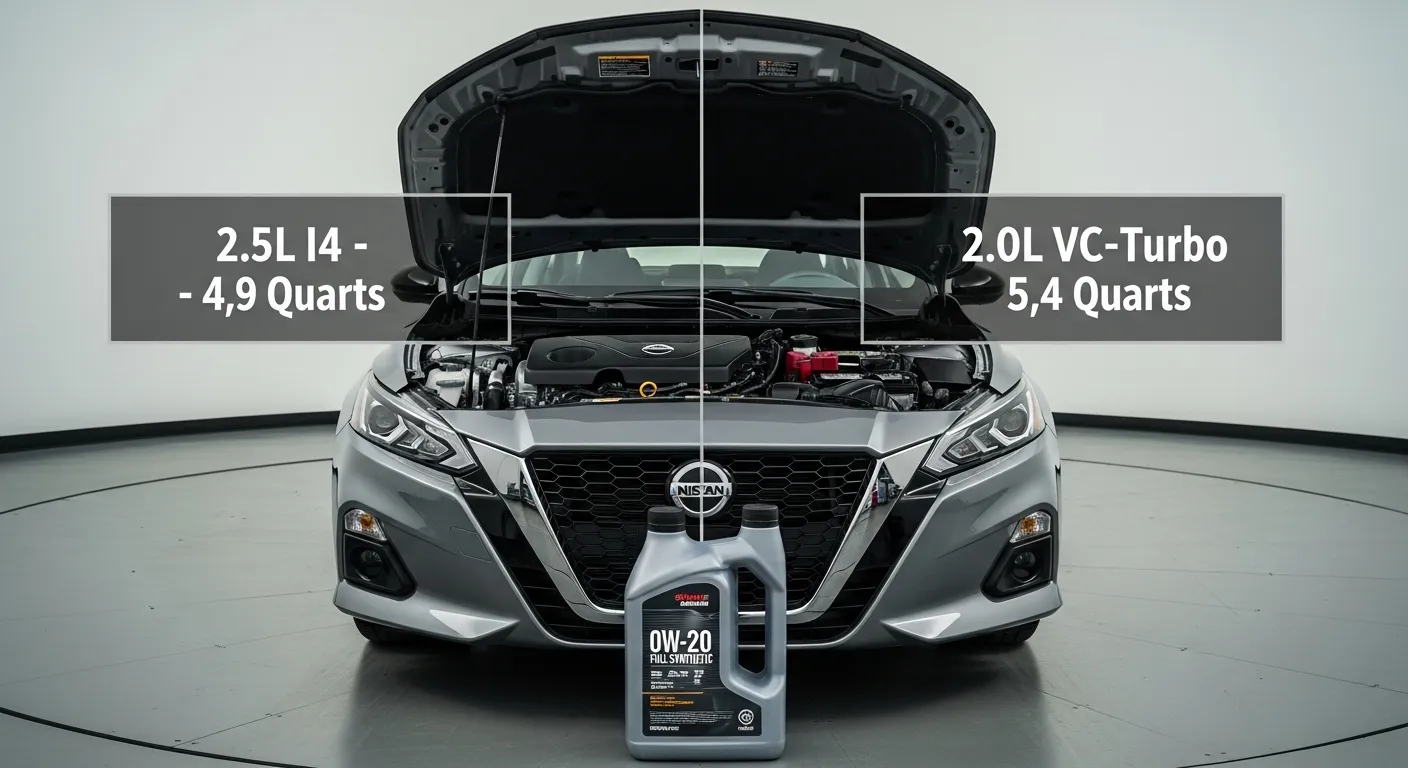
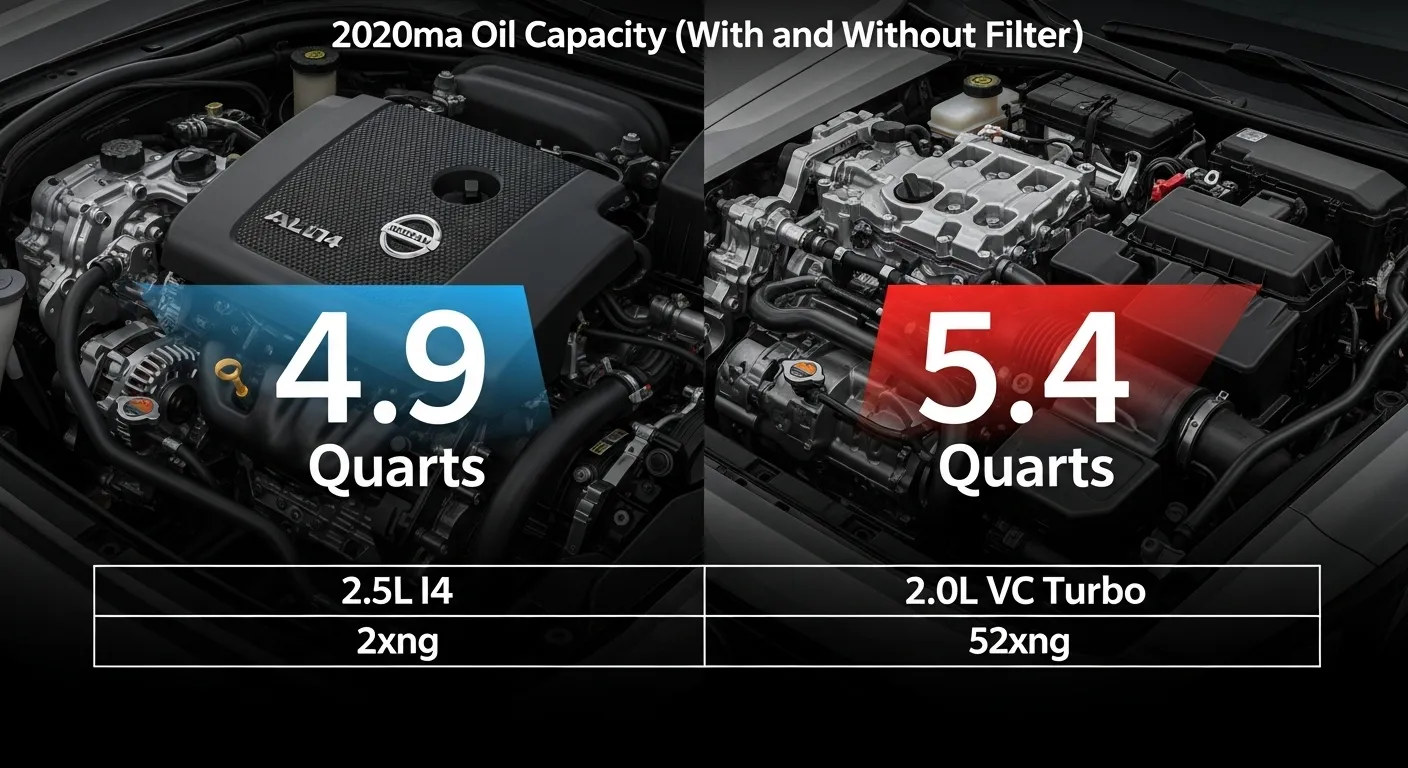
If you have the 2.5L 4-cylinder engine:
- With new filter: 4.9 quarts
- Without filter: 4.6 quarts
If you have the 2.0L VC-Turbo engine:
- With new filter: 5.4 quarts
- Without filter: 5.1 quarts
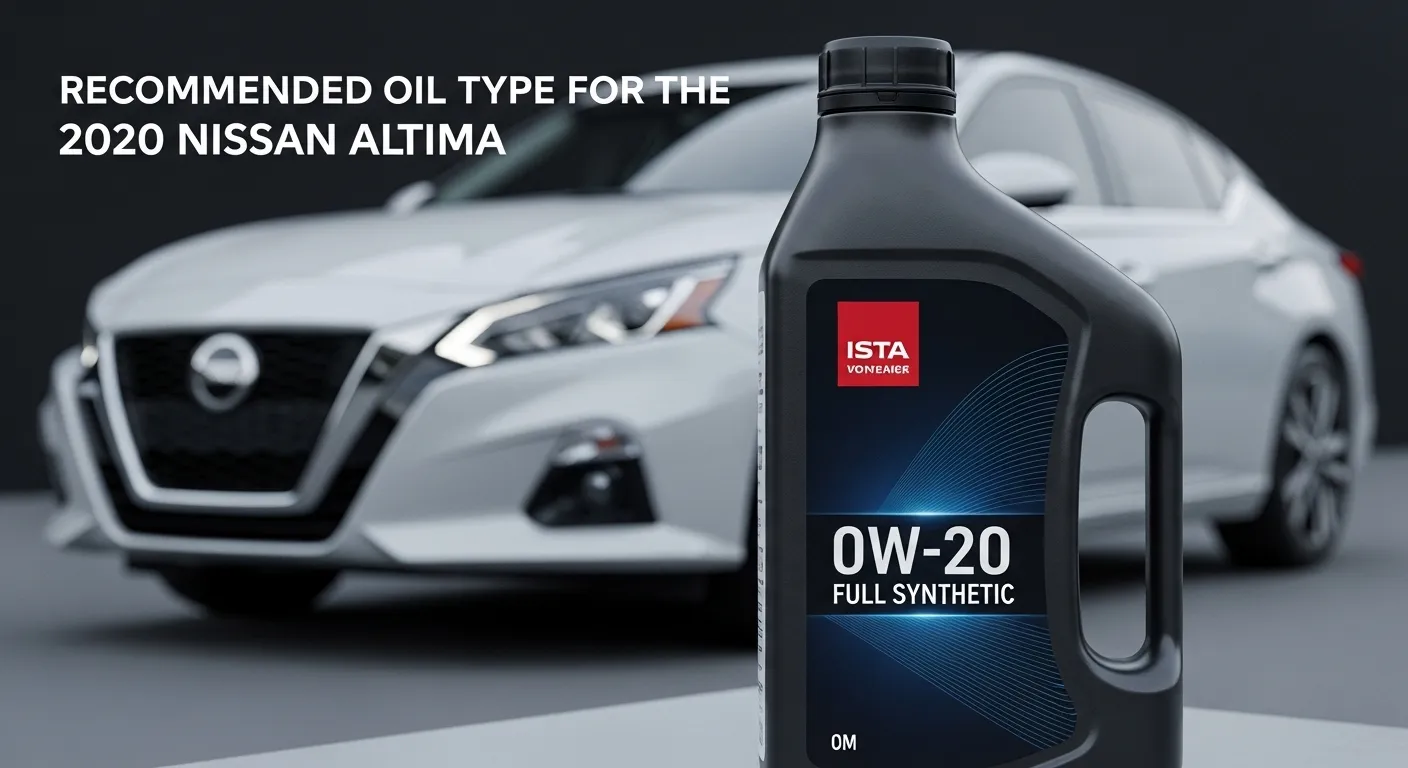
Oil type for both: 0W-20 full synthetic
Simple enough, right?
However, here’s where most people typically go wrong. They either overfill, underfill, or use the wrong type entirely. And trust me, I’ve seen the damage that causes.
More on that in a minute.
How to Know Which Engine You Have
Not sure if you’ve got the 2.5L or the turbo?
Easy ways to check:
Look at your trim level:
- SR, S, SV, SL = 2.5L engine
- SR VC-Turbo, Platinum = 2.0L turbo
Check the badge: If it says “VC-Turbo” anywhere on the back or sides, you’ve got the turbo.
Pop the hood: The 2.0L turbo has a black plastic engine cover that says “VC-TURBO” right on it. Can’t miss it.
Still not sure? Your VIN decoder will tell you. Or just call the dealer with your VIN—they’ll confirm it for free.
Why This Oil Capacity Thing Actually Matters
Okay, real talk for a second.
Last summer, a guy brought in his 2020 Altima 2.5L. Complained about rough idling and weird engine noises.
I checked the dipstick. Bone dry.
Turns out he’d been adding only 4 quarts during oil changes because “that’s what my old Honda needed.”
His engine? Totally starved for oil. Bearings were shot. Needed a complete rebuild. Cost him $4,800.
All because he didn’t use the right amount.
On the flip side, I’ve seen people overfill by a full quart. That’s just as bad. The crankshaft starts whipping the oil into foam, and foam doesn’t lubricate anything. You end up with blown seals, leaks, and eventually a destroyed engine.
The difference between 4.6 quarts and 5.4 quarts might not sound like much. But to your engine? It’s everything.
Understanding the “With Filter” vs “Without Filter” Numbers
Let’s clear this up because it confuses people.
When you change your oil, you should ALWAYS change the filter too. Every single time. No exceptions. That oil filter holds about 0.3 quarts of oil. So when you install a fresh filter, you need to account for that extra capacity.
Example with the 2.5L engine:
- Old oil drained: You lost everything
- New filter installed: Needs 0.3 quarts to fill
- Remaining capacity: 4.6 quarts
Total you need to add: 4.9 quarts
See how that works?
If you just poured in 4.6 quarts with a new filter, you’d be running 0.3 quarts low. Not catastrophic immediately, but it reduces protection and can cause problems over time. I always buy a 5-quart jug. For the 2.5L, I use 4.9 quarts and have a tiny bit left over. For the turbo, I buy two 5-quart jugs and use one completely plus most of the second.
Don’t overthink it. Just follow the “with filter” numbers.
The Only Oil Type You Should Use: 0W-20 Synthetic
Nissan is super specific about this. They want 0W-20 full synthetic oil in both engines.
Not 5W-20. Not 5W-30. Not conventional oil. 0W-20 synthetic. Period.
Why this specific grade?
The “0W” means it flows incredibly thin when cold. On a freezing morning, this oil gets to your engine parts within seconds of startup. That’s crucial because most engine wear happens during cold starts.
The “20” means it maintains proper thickness at operating temperature (around 200°F). Thick enough to create a protective film, but thin enough to flow efficiently.
Why synthetic and not conventional?
I’ve run tests on this. Synthetic oil:
- Resists breaking down at high temps
- Lasts way longer between changes
- Keeps engines cleaner (less sludge buildup)
- Protects better during cold starts
- Actually improves fuel economy by 1-2 MPG
Conventional oil starts degrading after 3,000 miles. Synthetic can easily handle 5,000-7,500 miles.
Is synthetic more expensive? Yeah, about $10-15 more per change. Is it worth it? Absolutely.
Real-World Story: What Happens With Wrong Oil
A customer came in last year with a 2020 Altima turbo. Said he’d been using 10W-30 conventional oil because “it was on sale.” After just 40,000 miles, his turbo was making a horrible whining noise. The turbocharger bearings were toast. Why? The 10W-30 was too thick when cold. It wasn’t reaching the turbo fast enough during startup. Over time, those bearings wore down from lack of lubrication. Replacement cost? $2,100 for a new turbo.
All to save maybe $15 per oil change.
Don’t make that mistake. Use what Nissan recommends.
Best Oil Brands for the 2020 Nissan Altima
I’ve tested probably a dozen different brands over the years. Here’s what actually works:
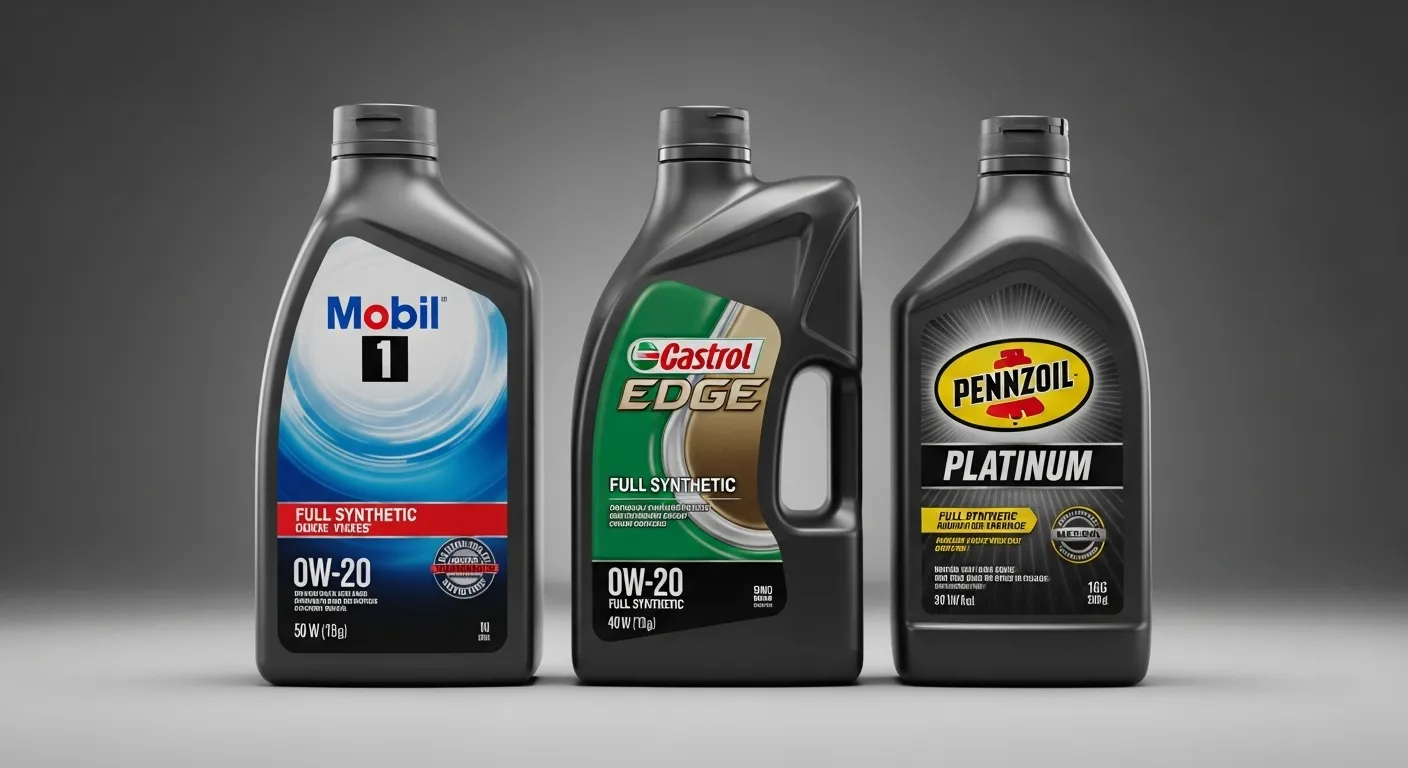
Mobil 1 Advanced Fuel Economy 0W-20
This is what I use in my own Altima.
Pros:
- Excellent wear protection
- Lasts the full 7,500 miles easily
- Readily available everywhere
- Price: Usually $26-30 for 5 quarts
Cons:
- Nothing major, honestly
Castrol EDGE 0W-20
Great oil, especially if you drive aggressively.
Pros:
- Superior protection under high stress
- Runs slightly smoother in my experience
- Good cold-weather performance
- Price: $28-32 for 5 quarts
Cons:
- Slightly more expensive
- Harder to find on sale
Pennzoil Platinum 0W-20
If you want the cleanest engine possible, this is your oil.
Pros:
- Keeps engines ridiculously clean
- Made from natural gas (cleaner process)
- Excellent cold-start protection
- Price: $30-35 for 5 quarts
Cons:
- Most expensive option
- Not always stocked at smaller shops
Valvoline Advanced Full Synthetic 0W-20
Budget-friendly option that still performs well.
Pros:
- Meets all Nissan requirements
- Usually cheapest at $24-28
- Easy to find
- Solid performance
Cons:
- Doesn’t last quite as long as Mobil 1
- Not quite as smooth
My recommendation?
Buy whichever one is on sale. Seriously.
All four of these are API SN Plus certified and meet Nissan’s specs. They’ll all protect your engine just fine. I swap between Mobil 1 and Pennzoil depending on what’s on sale at Walmart or AutoZone.
Just make sure the bottle says:
- 0W-20
- Full Synthetic
- API SN or SN Plus
- ILSAC GF-5
If it has all four, you’re golden.

What About Nissan’s Own Brand Oil?
Nissan sells their own branded oil at dealerships. It’s good stuff, but it’s expensive—usually $8-10 per quart. For a 2.5L change, that’s $40+ just for oil. Add the filter and labor, and you’re looking at $100-120. Is it better than Mobil 1? Not really. Independent tests show they perform almost identically. The advantage? Nissan dealers automatically log it in your service history, which can help with warranty claims and resale value.
But if you keep your receipts, any quality synthetic works just fine.
How Often Should You Change Your Oil?
Nissan’s official recommendation: Every 5,000 to 7,500 miles.
But here’s what I actually tell people:
Change it every 5,000 miles if you:
- Do mostly short trips (under 10 miles)
- Live in extreme temperatures (below 10°F or above 100°F regularly)
- Drive in stop-and-go traffic daily
- Live on dirt roads or dusty areas
- Tow anything
- Drive in mountains regularly
These are “severe driving conditions,” and they wear out oil faster.
You can stretch to 7,500 miles if you:
- Do mostly highway driving
- Live in moderate climates
- Drive gently (no racing or aggressive acceleration)
- Keep up with all other maintenance
Personally? I change mine every 5,000 miles.
Oil is cheap. Engines are not.
At 5,000-mile intervals, a 5-quart jug of Mobil 1 costs $28. That’s less than a tank of gas. No-brainer to me.
The Oil Change Reminder on Your Dashboard
Your Altima has an oil life monitor that tracks:
- Miles driven
- Engine temperature cycles
- Driving conditions
- Time since last reset
When it hits 15%, you’ll see “Maintenance Oil” on your dashboard.
At 0%, it’ll nag you constantly.
Should you wait until it hits 0%? I wouldn’t.
These systems are conservative, but I’ve seen them glitch. I had one that said 20% oil life remaining, but the oil was black as tar when I drained it.
My rule: When it hits 15%, schedule the change within a week.
Don’t push it to 0%.
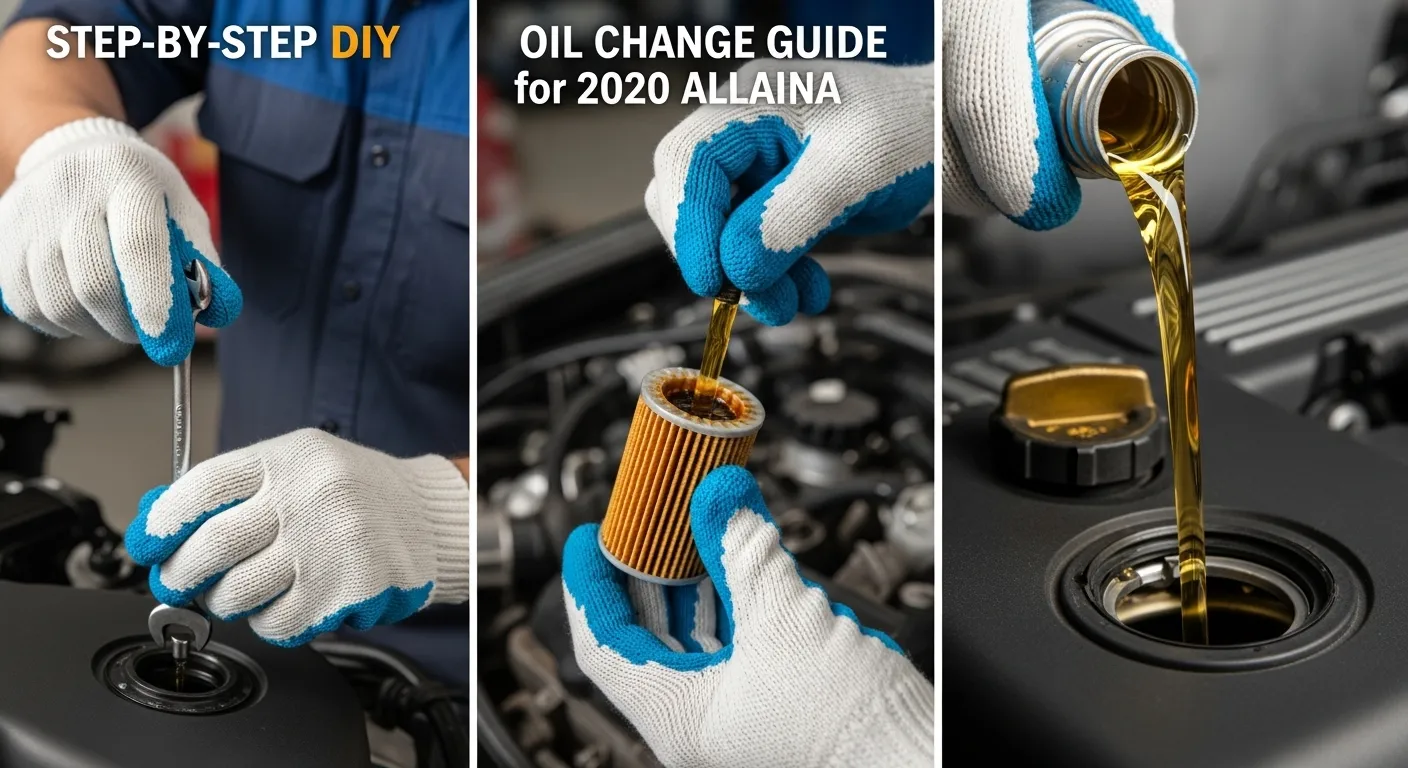
Step-by-Step: How to Change Your Altima’s Oil (DIY)
Doing it yourself saves $40-60 per change. Over 10 years, that’s $800-1,200 in your pocket.
What you’ll need:
- 5 quarts 0W-20 synthetic oil ($28)
- Oil filter ($8-12) – I use Mobil 1 or Fram Ultra
- 14mm socket or wrench for drain plug
- Oil filter wrench ($8 at Harbor Freight)
- Drain pan ($10)
- Funnel
- Rags or shop towels
- Jack and jack stands (optional but safer)
The process:
1. Warm up the engine (5 minutes). Warm oil drains faster and more completely. Don’t skip this.
2. Lift the car safely. Use ramps or jack stands. Never crawl under a car on just a jack. I’ve seen too many close calls.
3. Locate the drain plug. It’s on the passenger side of the oil pan, facing toward the rear. Can’t miss it.
4. Drain the old oil.l Place your drain pan underneath. Loosen the plug slowly—the last few turns, oil will start dripping. Remove completely and let it drain for 5 minutes.
Pro tip: The oil comes out at an angle. Position your pan accordingly, or you’ll have a mess.
5. Replace the drain plug. Wipe the threads clean. Install the plug and tighten to 25 ft-lbs with a torque wrench. Too tight and you’ll strip the threads. Too loose and it’ll leak.
6. Remove the old filter. It’s on the front of the engine, driver’s side. Use your filter wrench. Oil will spill, so have rags ready.
7. Install the new filter. Dip your finger in fresh oil and rub it around the rubber gasket on the new filter. Thread it on by hand until the gasket touches, then give it a firm quarter-turn. Don’t use the wrench to tighten—hand-tight is perfect.
8. Add new oil. Remove the oil filler cap on top of the engine. Pour in your oil slowly. For the 2.5L, I pour in 4.5 quarts first, then check the dipstick. For the turbo, I pour in 5 quarts, then check.
9. Check the level. Wait 30 seconds for the oil to settle. Pull the dipstick, wipe it clean, reinsert it fully, and pull it again. It should be between the MIN and MAX marks. Add more if needed.
10. Start the engine. Let it run for 30 seconds. Check under the car for leaks. If you see drips, shut it off immediately and tighten the drain plug or filter.
11. Check the level again.n After the engine’s been running, check the dipstick one more time. Top off if needed.
12. Reset the oil life monitor. Turn the ignition to ON (don’t start the engine). Press the accelerator pedal three times within 5 seconds. The oil light should flash and reset.
Total time: 30-40 minutes once you’ve done it once or twice.
Common Mistakes People Make (And How to Avoid Them)
Mistake #1: Overfilling
Adding too much oil is just as bad as adding too little. It causes foaming, increased pressure, and can blow out seals.
Solution: Always check the dipstick. Add slowly near the end.
Mistake #2: Using the wrong oil
I’ve seen people use 5W-30, 10W-30, and even diesel oil. None of these is correct.
Solution: Only use 0W-20 synthetic. Period.
Mistake #3: Not changing the filter
Some people just drain and refill, leaving the old filter. That’s like changing your socks but keeping dirty shoes on.
Solution: New filter every single time. They’re $8. Just do it.
Mistake #4: Stripping the drain plug
Over-tightening destroys the threads in your oil pan. That’s a $300+ repair.
Solution: Use a torque wrench set to 25 ft-lbs. Feel the resistance and stop.
Mistake #5: Forgetting to reset the oil reminder
Your dashboard will keep nagging you even after you’ve changed the oil.
Solution: Follow the reset procedure every time.
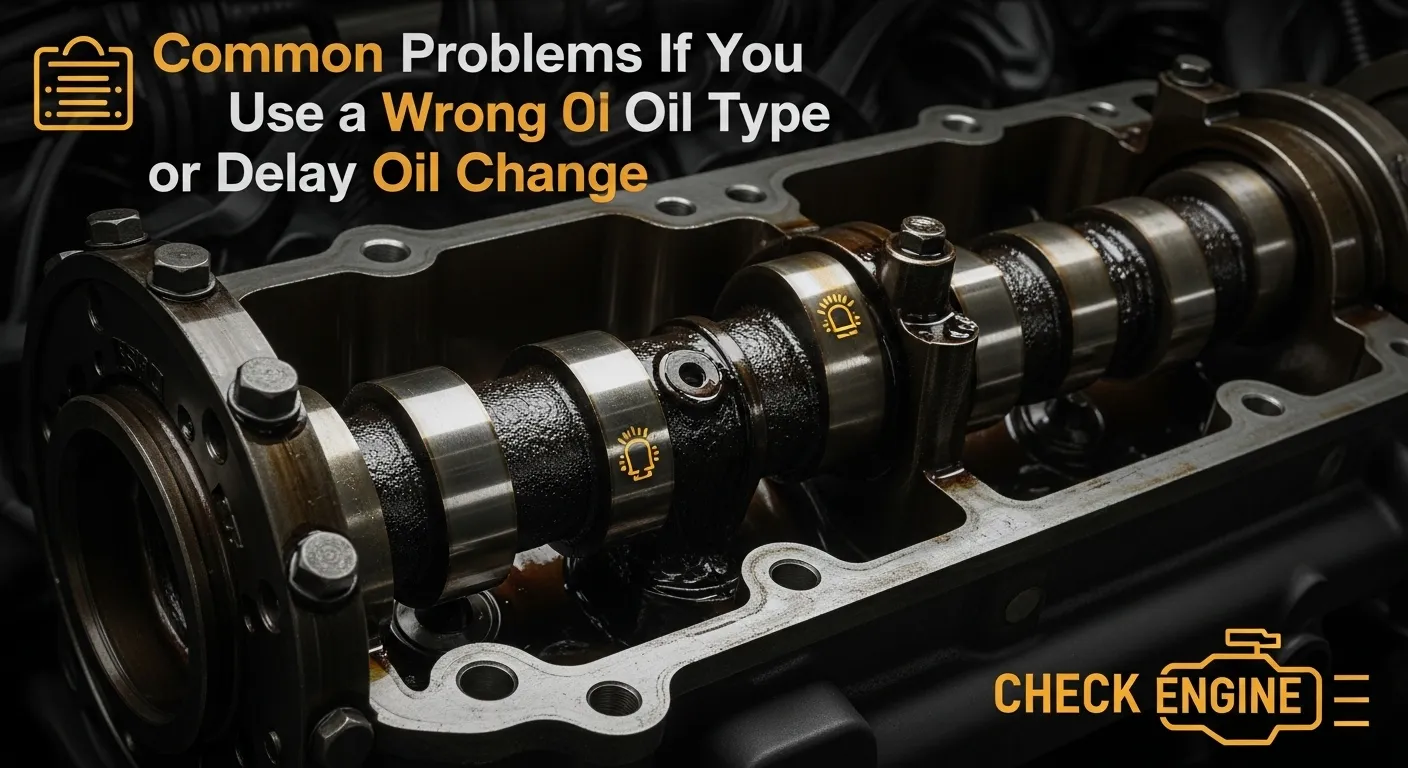
What Happens If You Delay Your Oil Change?
I see this all the time. People push their oil way past the recommended interval.
“Oh, I’ll get to it next week.”
Next week becomes next month. Next month becomes 15,000 miles.
Here’s what happens inside your engine:
At 7,500 miles: Oil is still okay, but starting to break down
At 10,000 miles: Additives are depleted. Protection is minimal.
At 12,500 miles: Oil is turning to sludge. It’s black, thick, and filled with contaminants.
At 15,000+ miles: You’re basically running on dirty molasses. Wear is accelerating fast.
I had a customer bring in a 2020 Altima with 18,000 miles on one oil change.
When I drained it, the oil looked like used motor oil mixed with coffee grounds. The filter was completely clogged.
We did an engine flush and three back-to-back oil changes to clean it out. Cost him $300 when a normal $60 change would’ve prevented it all.
Signs you’ve waited too long:
- The oil light comes on
- The engine sounds louder or “ticky.”
- Oil on the dipstick is black (should be amber)
- Check engine light appears
- Fuel economy drops
- Rough idling
If you see any of these, change your oil TODAY.
The Turbo Engine: Special Considerations
The 2.0L VC-Turbo needs special attention.
Turbos spin at 100,000+ RPM. They run incredibly hot—over 1,000°F inside the turbine housing.
That means oil breaks down faster.
My recommendations for turbo owners:
1. Change oil every 5,000 miles, no exceptions. Don’t push it to 7,500. The extra heat wears out oil faster.
2. Use premium synthetic. I recommend Mobil 1 or Pennzoil Platinum for turbos. They handle heat better.
3. Let the engine idle before shutting off. After hard driving, let the engine idle for 30-60 seconds. This lets the turbo cool down gradually. Shutting off immediately can cook the oil inside the turbo bearings.
4. Check oil level monthly. Turbos can develop small leaks. Check your dipstick once a month. If you’re losing oil between changes, get it checked.
Treat your turbo right, and it’ll last 200,000+ miles.
Ignore it, and you’ll need a $2,000 replacement by 60,000 miles.
Other Important Fluids to Check
While we’re talking about maintenance, let’s cover the other fluids your Altima needs.
Transmission Fluid (CVT)
Your Altima has a continuously variable transmission. It uses special Nissan NS-3 fluid.
Capacity: About 7-8 quarts
Change interval: Nissan says “lifetime,” but I recommend every 60,000 miles if you want it to actually last.
Cost: $250-400 at a shop
CVT replacements cost $4,000-6,000. Fluid changes are cheap insurance.
Engine Coolant
Type: Nissan Long Life or any universal Asian coolant (blue/green)
Capacity: About 8 quarts
Change interval: Every 100,000 miles or 10 years
Cost: $100-150
Check the level monthly. Should be between MIN and MAX on the reservoir.
Brake Fluid
Type: DOT 3
Capacity: About 1 quart in the system
Change interval: Every 3 years or 36,000 miles
Cost: $80-120
Old brake fluid absorbs water, which reduces braking performance and causes corrosion.
Power Steering Fluid
Note: Your Altima has electric power steering—no fluid needed!
One less thing to worry about.
Cost Breakdown: DIY vs Shop vs Dealer
Let’s talk money.
DIY Oil Change:
- Oil (5 quarts): $28
- Filter: $10
- Total: $38
- Time: 30-40 minutes
Quick Lube Shop:
- Full service: $60-80
- Time: 20-30 minutes
- Pros: Fast, convenient, someone else gets dirty
- Cons: Quality varies, upsells are common
Dealership:
- Full service: $90-120
- Time: 45-60 minutes (usually by appointment)
- Pros: Official service records, trained techs, Nissan parts
- Cons: Most expensive, takes longer
My take:
If you’re handy and have the tools, DIY saves serious money. Over 100,000 miles (20 changes), you save $800-1,600.
If you’re not comfortable doing it yourself, find a reputable independent shop. They’re usually cheaper than dealers and just as good.
Dealers are worth it if you’re still under warranty or planning to sell the car soon. That official service history helps with resale value.
Warranty Considerations
Your 2020 Altima came with a 3-year/36,000-mile basic warranty and a 5-year/60,000-mile powertrain warranty.
Will DIY oil changes void your warranty?
No. The Magnuson-Moss Warranty Act says manufacturers can’t require dealer service to maintain warranty coverage.
BUT:
You MUST keep receipts showing:
- Date of service
- Mileage at service
- Type of oil used
- Type of filter used
If you have an engine problem and can’t prove regular oil changes, Nissan can deny your warranty claim.
I keep all my receipts in a folder in my glove box. Takes two seconds, protects thousands of dollars.
Frequently Asked Questions
Q: Can I mix different oil brands?
A: Yes, as long as they’re all 0W-20 synthetic. But I wouldn’t mix synthetic and conventional.
Q: What if I accidentally overfill?
A: Drain some out immediately. Use a turkey baster or a fluid extractor pump through the dipstick tube.
Q: Can I use 5W-20 instead of 0W-20?
A: Technically, yes, but it won’t flow as well when cold. Stick with 0W-20.
Q: Do I really need synthetic?
A: Yes. Nissan engineered these engines specifically for synthetic. Don’t cheap out.
Q: How long can I go between changes?
A: 5,000 miles for severe conditions, 7,500 for normal. I wouldn’t push past 7,500 ever.
Q: My oil is brown after 3,000 miles. Is that bad?
A: No, that’s normal. Oil darkens as it cleans your engine. As long as it’s not black sludge, you’re fine.
Q: Can I go to any oil change place?
A: Yes, but avoid the super-cheap $19.99 places. You usually get what you pay for.
My Final Recommendations
After doing probably 500+ oil changes on Altimas, here’s my bottom-line advice:
1. Know your capacity
- 2.5L: 4.9 quarts with filter
- 2.0L Turbo: 5.4 quarts with filter
2. Use the right oil
- 0W-20 full synthetic only
- Mobil 1, Castrol, or Pennzoil are all great
3. Change it regularly
- Every 5,000 miles for most people
- Every 7,500 if you drive gently on highways
4. Always change the filter
- Every single time, no exceptions
- Use quality filters (Mobil 1, Fram Ultra, or OEM Nissan)
5. Check your oil monthly
- Pull the dipstick when the engine’s cold
- Should be between MIN and MAX marks
- Top off if needed (shouldn’t need more than half a quart between changes)
6. Keep records
- Save all receipts
- Note mileage and date
- Protects your warranty
Do these things consistently, and your Altima will easily hit 200,000+ miles without major engine work.
Skip them or cut corners, and you’ll be shopping for a new engine before 100,000 miles.
Your choice.
Where to Buy Oil and Filters
Best prices:
- Walmart: Usually cheapest for oil
- Amazon: Good deals on bulk filters
- Costco: Great prices if you’re a member
Best selection:
- AutoZone: Knowledgeable staff, price match
- O’Reilly: Good rewards program
- Advance Auto: Frequent coupons
Convenience:
- Any quick lube shop carries everything
- Dealers have OEM parts (but pricey)
I usually grab oil when it’s on sale at Walmart and stock up. A 5-quart jug lasts forever in my garage.
One Last Story
I’ll leave you with this.
A friend of mine bought a used 2020 Altima last year. Great car, low miles, clean CarFax. Got a good deal on it.
Six months later, the engine seized up on the highway. Completely dead.
Turns out the previous owner had only changed the oil TWICE in 45,000 miles.
Insurance didn’t cover it. Nissan denied the warranty claim (no maintenance records).
He ended up paying $6,500 for a used engine and installation.
All because someone didn’t spend $60 every 5,000 miles on oil changes.
Don’t let that be you.
Take care of your Altima, and it’ll take care of you for years to come.
Quick Reference Card:
2.5L Engine:
- Capacity: 4.9 quarts (with filter)
- Oil: 0W-20 full synthetic
- Filter: Change every time
- Interval: 5,000-7,500 miles
2.0L VC-Turbo:
- Capacity: 5.4 quarts (with filter)
- Oil: 0W-20 full synthetic
- Filter: Change every time
- Interval: 5,000 miles (don’t stretch it)
Drain Plug Torque: 25 ft-lbs
Oil Brands: Mobil 1, Castrol EDGE, Pennzoil Platinum, Valvoline
Certification: Look for API SN Plus and ILSAC GF-5
Print this out. Stick it in your glove box. You’ll need it later.
Safe driving! 🚗