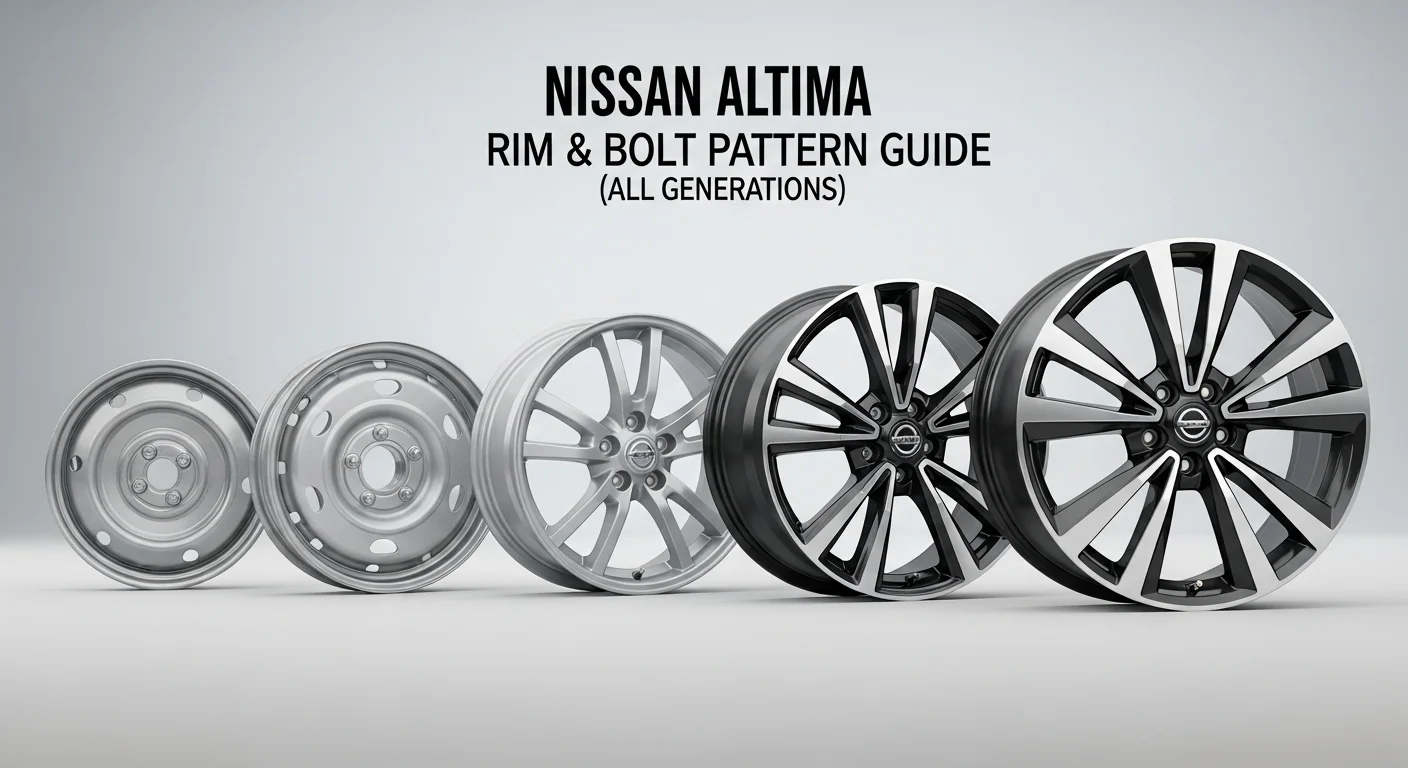
Nissan Altima Rim & Bolt Pattern Guide (All Generations)

- Ford Expedition Years to Avoid A Mechanic’s Complete Guide (2026) - January 28, 2026
- 5 Signs You Need to Change Your Transmission Fluid Chevy Silverado - January 27, 2026
- Ford Maverick Years to Avoid: Worst & Best Models (2022-2026) - January 26, 2026
Okay so Ive been working on Nissan Altimas for probly like 14 years now maybe longer I kinda lost track honestly and one of the most common questions I get in my shop is about wheel fitment. Just literaly yesterday I had this customer come in with a set of aftermarket rims he bought online and they didnt fit right cause he didnt check the offset. Wasted like 300 bucks maybe more. So let me save you that headache and explain everything about the Nissan Altima bolt pattern from someone whos actualy done this hundreds of times literaly hundreds.
The good news is the Altima has kept the same bolt pattern since like 1993 which makes things way easier than other cars Ive worked on trust me. Its a 5×114.3 lug pattern also called 5×4.5 inches if your using imperial measurements which some people stil do. Ive probly installed or swapped wheels on over 200 Altimas at this point maybe more and that pattern has never changed across any generation not once.
But heres the thing alot of people dont realy realize – just cause the bolt pattern matches doesnt automaticaly mean the wheel will fit right on your car. Ive seen so many DIYers buy wheels that bolt on perfecty but then they rub the fenders or mess up the handling cause the offset was completly wrong. Thats why understanding wheel offset hub bore and rim width is just as important as knowing the lug pattern itself maybe even more important.
What Even Is a Bolt Pattern – Let Me Break It Down For You
So when I first started working on cars back in like 2009 or 2010 somewhere around there I didnt realy understand what bolt pattern actualy meant. I just knew you matched the holes and bolted the wheel on right and that was it. But after messing up a few times and having customers come back with issues I learned real quick theres way more to it than that.
The bolt pattern on a Nissan Altima is 5×114.3 which basicaly means 5 lug holes arranged in a circle thats 114.3 millimeters across from one side to the other. You measure from the center of one lug hole to the center of the hole directly across from it not diagonal. For the Altima this has been the exact same since the first generation came out way back in 1993 which is pretty cool actualy.
I remember one time early in my career like maybe 2011 or so a customer asked me if 5×114.3 was the same as 5×4.5 inches and I honestly didnt know at the time had no clue. Had to actualy look it up on my phone. Turns out yeah theyre the exact same measurement just metric vs imperial thats the only difference. Now I know that by heart cause I get asked probly once a week at least sometimes more.
The reason Nissan stuck with this pattern for so long is cause it works realy realy well for mid-size sedans like the Altima. Gives you good weight distribution and plenty of strength for daily driving and highway speeds. Ive never seen a properly installed wheel with this pattern have any issues with the lugs themselves breaking or failing never.
Do All Altimas Have the Same Bolt Pattern – What Ive Actualy Learned
So heres a question I get literaly all the time in my shop like multiple times a week – do all Nissan Altimas have the same bolt pattern? The short answer is yeah pretty much they do. From 1993 all the way up to 2026 every single Altima Ive personaly worked on uses that same 5×114.3 pattern without exception.
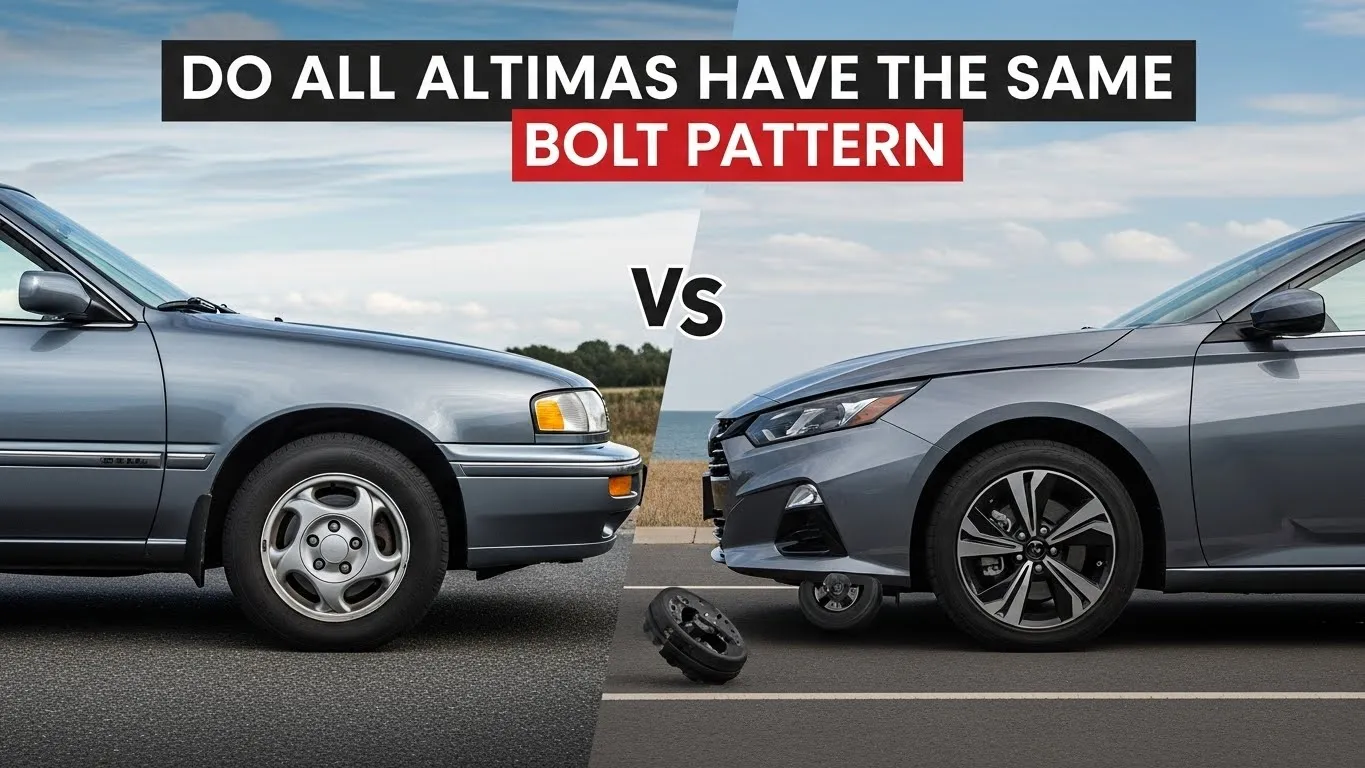
But and this is a realy big but just cause the bolt pattern matches doesnt automaticaly mean any Altima wheel will fit any other Altima model. Ive had customers try to put like 1998 Altima wheels on a 2015 model and they bolted on perfecty fine but the offset was completly wrong like way off. The wheels stuck out too far and rubbed the fenders real bad when they turned the steering wheel.
The problem is the wheel offset actualy changed over the years as the car evolved. Early Altimas from the 90s had offsets around like +35 to +40mm somewhere in that range. Newer ones from like 2013 and up are more like +40 to +50mm which is higher. That 10mm difference might not sound like much when you say it out loud but trust me it matters alot when your actualy driving the car especialy at highway speeds.
I learned this the hard way when I was stil pretty new to working on these cars. Customer wanted to swap wheels from his old 2003 Altima onto his brand new 2014 model. I said sure no problem the bolt pattern matches itll be totaly fine. Mounted them up and when he drove off the lot the wheels were rubbing on literaly every single bump in the road. He came back like 20 minuts later pretty annoyed actualy and I had to explain about offset and why it mattered. Now I always always check offset before I tell someone wheels will fit I learned my lesson.
Bolt Pattern Across All Altima Generations – What Ive Seen
Let me give you the complete breakdown of every Altima generation Ive personaly worked on cause Ive literaly seen them all come through my shop over the years:
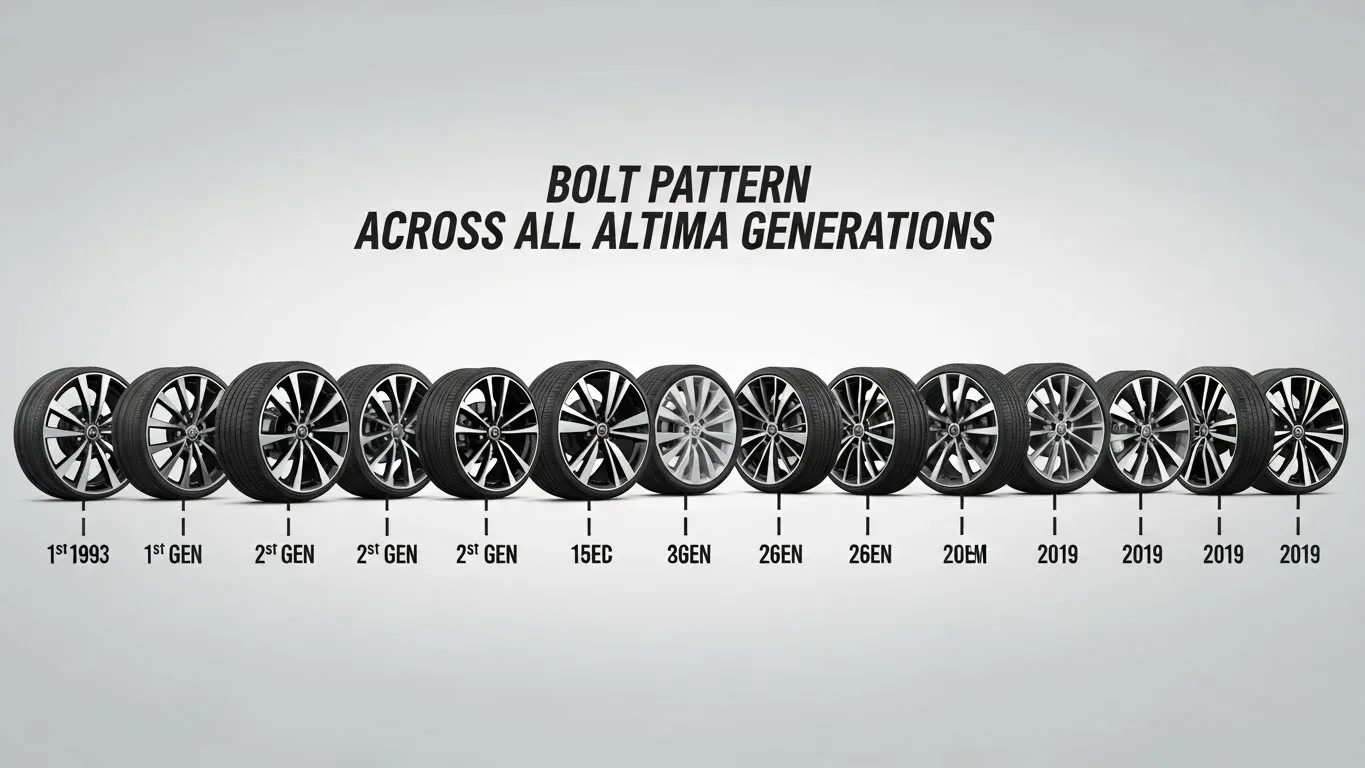
1993-1997 Altima First Generation: These older Altimas came with like 14 or 15 inch wheels from the factory pretty small by todays standards. Bolt pattern was 5×114.3 with offsets usualy around +35 to +40mm give or take. The lug nut size was M12 x 1.25 which is actualy stil the exact same today which is nice. Ive probly worked on maybe 10 of these total cause theyre getting pretty rare now not many left on the road.
1998-2001 Altima Second Generation: Slightly bigger wheels like 15 to 16 inches. Same exact 5×114.3 pattern but offset went up to like +35 to +45mm range. I remember these models specificaly cause the hub bore was 66.1mm which is realy important for centering the wheel properly on the hub. Had a customer once use wheels with the wrong hub bore size and they vibrated like absolutley crazy at highway speeds like 60 mph and up.
2002-2006 Altima Third Generation: This is when Altimas realy started getting more popular and I saw way more of them coming in. Wheels went up to 16 or 17 inches depending on trim level. Offset range was like +38 to +45mm. Still the exact same bolt pattern and lug nut size as before. These are probly the most common older Altimas I work on now cause theyre stil around.
2007-2012 Altima Fourth Generation: Bigger wheels again like 16 to 18 inches depending on if you got the base or sport trim. Offset went up to +38 to +50mm range. I remember when these first came out I actualy had to learn about the different offsets for the base model vs the sport model cause they were different. The sport models had wider wheels and more aggressive offsets.
2013-2018 Altima Fifth Generation: These came with like 17 to 19 inch wheels pretty big. Offset was usualy +40 to +50mm in most cases. Ive probly done wheel swaps on like 50 of these specific models theyre super super common in my area everyone has one. Same bolt pattern same lug nuts but the bigger wheels meant I had to be way more carefull about clearance issues.
2019-2026 Altima Sixth Generation: The newest ones come with 16 to 19 inch wheels depending on what trim level you get. Offset is stil around +40 to +50mm hasnt changed much. Just worked on a 2024 model literaly last week actualy. Same bolt pattern as always but these newer ones have way more advanced suspension systems so offset actualy matters even more for handling and ride quality.
So yeah the bolt pattern itself never actualy changed but literaly everything else did over time. Thats why I always tell people you realy cant just assume wheels will fit cause theyre both Altimas you gotta check everything.
How to Measure Your Bolt Pattern – What I Actualy Do
Alot of people ask me how to measure a 5-lug bolt pattern cause they wanna verify it themselves before buying expensive wheels online. Heres exactly what I personaly do in my shop every single time:
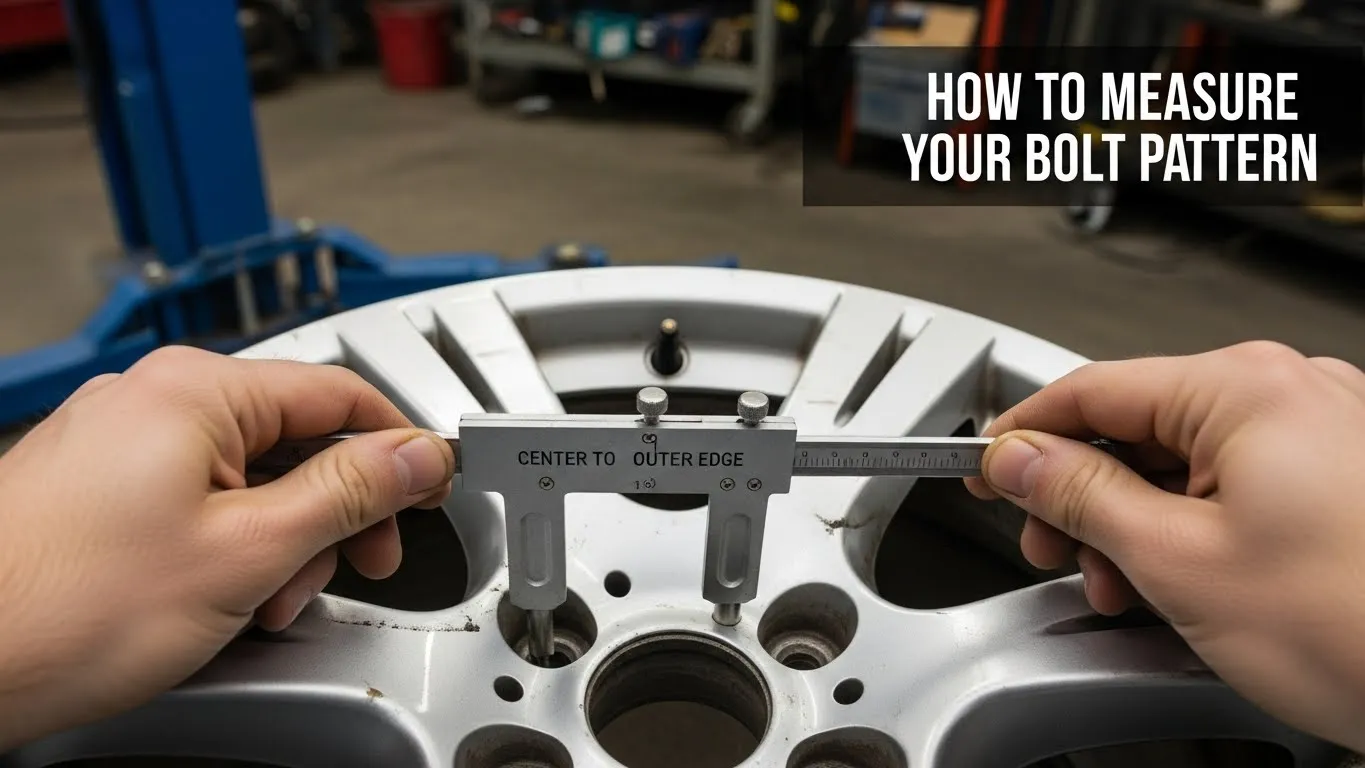
For a 5-lug pattern you measure from the center of one lug hole to the outer edge of the lug hole directly across from it not the one next to it. Not center to center thats actualy for even-numbered patterns like 4-lug or 6-lug. For 5-lug you always go center to outer edge its different.
On an Altima this measurement should be exactly 114.3mm or 4.5 inches if your using imperial. I usualy use a digital caliper cause its way more accurate than a regular tape measure which can be off. Ive seen people try to measure with just a regular ruler and get it wrong by like a few millimeters which actualy can make a real difference in fitment.
I remember one time a customer came in and insisted his Altima had a completly different bolt pattern cause he measured it himself wrong. Took me like 10 minuts to actualy show him the right way to measure it properly and then he finaly saw it was 114.3mm just like I told him from the start. Now I just measure it for people when they come in to my shop saves everyone time and frustration.
The other thing I always always check is the hub bore size. For most Altimas its 66.1mm exactly. This is the hole in the center of the wheel that actualy fits over the hub on the car. If the wheel has a bigger hub bore than that you absolutley need hub-centric rings to center it properly on the hub. Ive had wheels vibrate real bad at highway speeds cause someone skipped the hub rings completly thought they didnt need them.
Lug Nut Size and Socket – What You Actualy Need
Every single Altima Ive ever personaly worked on uses M12 x 1.25 lug nuts without exception. The M12 means the thread diameter is 12mm and the 1.25 is the thread pitch measurement. This has been completly standard across all generations which is actualy nice cause you dont have to worry about different sizes for different years.
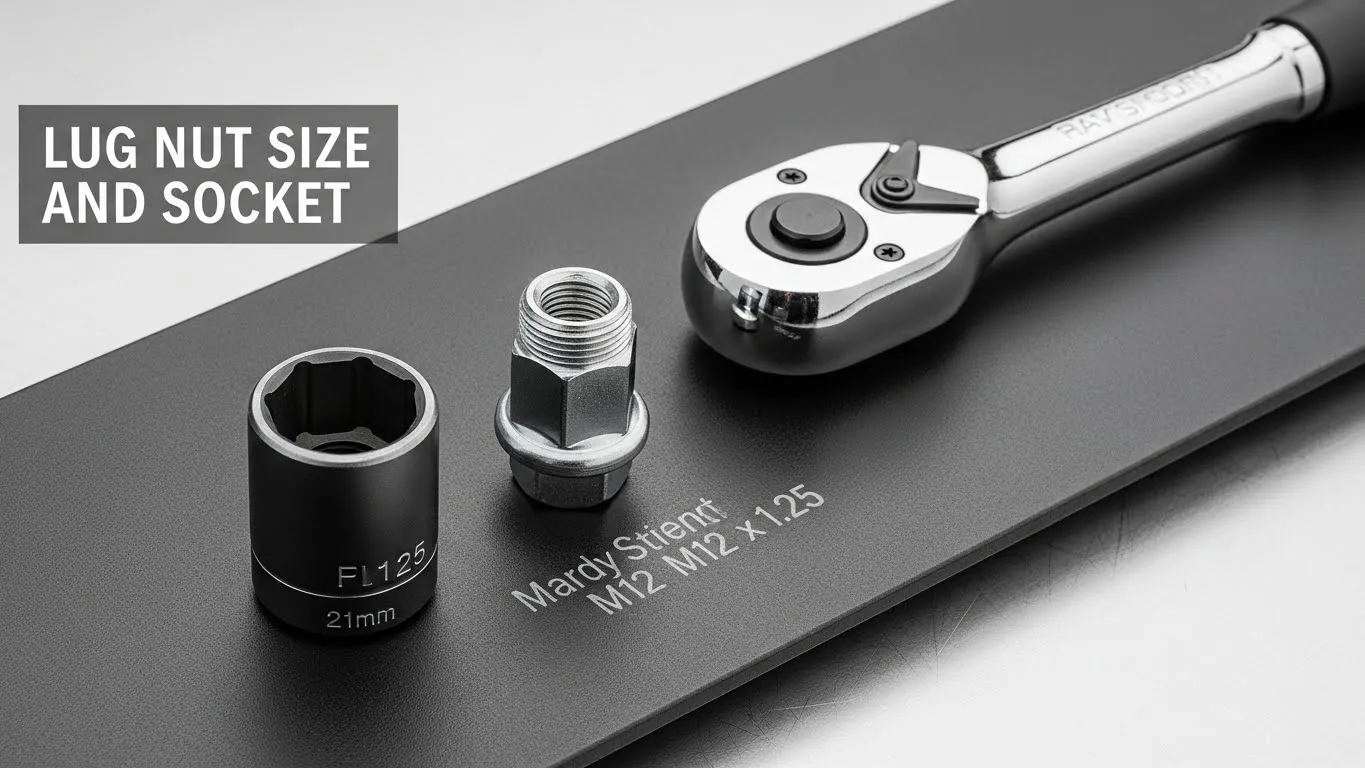
For removing and installing these lug nuts you need a 21mm socket thats the right size. I keep probly like 5 of these in my toolbox cause I literaly use them so much every single day. Some aftermarket wheels use slightly different lug nuts but the factory OEM ones are always always 21mm.
One mistake I see people make all the time is using the wrong size socket like a 20mm or 22mm. Ive had customers come in with completly rounded off lug nuts cause they used a socket that was close but not exact. Once the lugs are rounded off you gotta use a special socket to get them off which is a huge pain and takes forever.
I also always always tell people to use a torque wrench not just an impact gun. The correct torque spec for Altima lug nuts is 80 to 83 foot-pounds exactly. I personaly set mine to 80 and its been perfecty fine for years never had an issue. Over-tightening can actualy warp the brake rotors or even break the studs completly. Under-tightening and the wheel can literaly come loose while your driving which is super super dangerous.
Torque Specs and Tightening Pattern – What I Learned
Proper star pattern sequence for tightening 5-lug wheel nuts
So heres something I learned realy early on that saved me from alot of angry customers coming back – you absolutley gotta tighten lug nuts in the right pattern every single time. For a 5-lug wheel you tighten in a star pattern always. Start with one lug then go to the one across and diagonal from it not the one next to it. Keep going in a star shape till all 5 are snug.

Then I go back with my torque wrench set to exactly 80 ft-lbs and torque them down in the same exact star pattern. This keeps even pressure on the wheel and prevents warping the rotor which can cause vibration.
After someone drives on brand new wheels for like 50 to 100 miles I always always tell them to come back to my shop so I can retorque the lug nuts for free. The wheels settle in and sometimes the lugs loosen up just a tiny bit. Ive caught loose lugs this way probly a dozen times at least. Way better to be safe than have a wheel literaly come off on the highway going 70 mph.
I had one customer who didnt come back for retorquing like I told him to and after like 200 miles one of his lugs backed off completly just fell off. Lucky he actualy noticed the vibration and came in before the wheel fell off completly. Now I make absolutley sure everyone knows to come back for a retorque check its super important.
Wheel Offset – The Thing Most People Realy Dont Understand
Wheel offset comparison showing +35mm vs +50mm positioning differences
Okay so this is where alot of people get realy realy confused and honestly I dont blame them at all cause offset is kinda complicated when you first learn it. Let me explain it the way I wish someone had explained it to me when I was first learning this stuff.
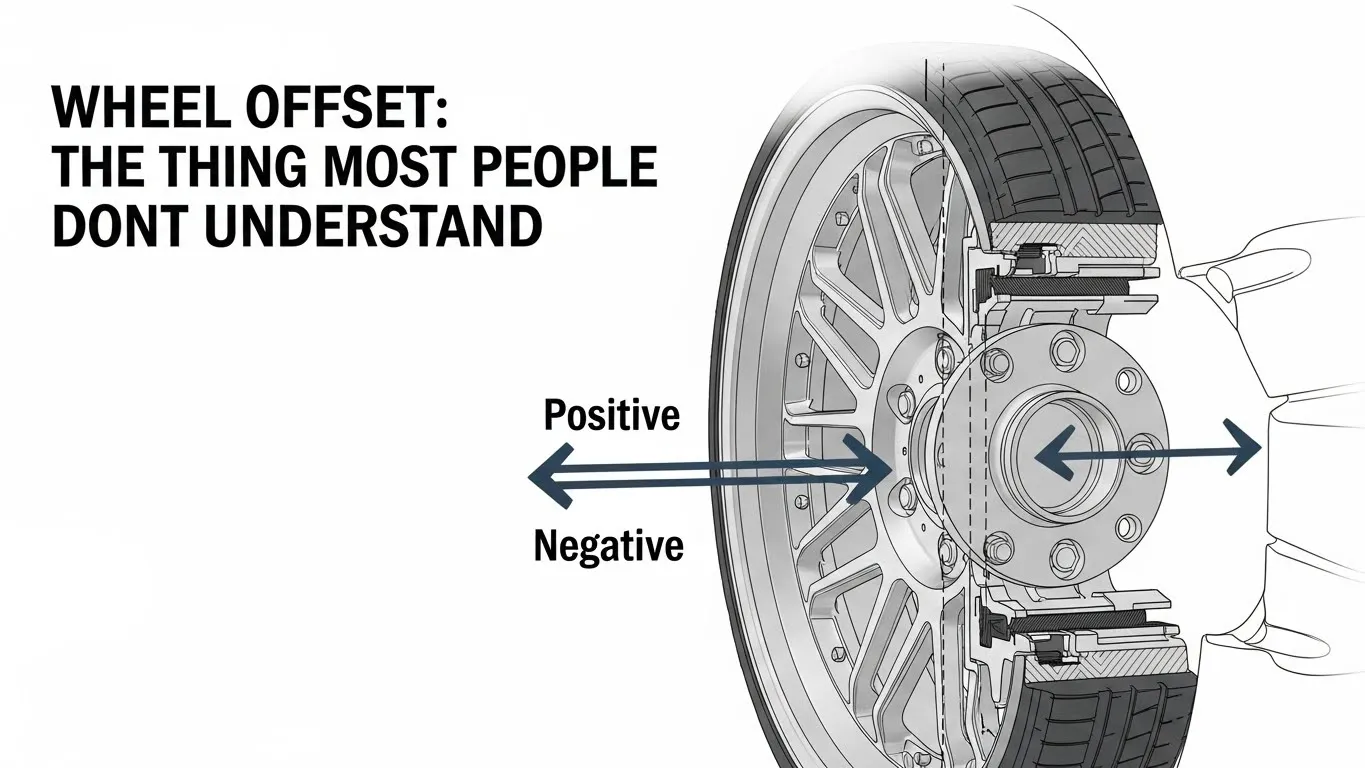
Wheel offset is basicaly how far the mounting surface of the wheel is from the exact centerline of the wheel itself. A positive offset means the mounting surface is closer to the outside face of the wheel. Most Altimas have positive offsets between like +35mm and +50mm depending on what year and model you got.
Why does this actualy matter so much? Cause if you put a wheel with the completly wrong offset it can either stick out way too far and rub the fenders or it can sit too far in and hit the suspension components or brake calipers. Ive personaly seen both happen multiple times and neither one is good at all.
I had a customer once buy these realy realy nice expensive aftermarket wheels with a +25mm offset when his specific Altima actualy needed +45mm. That 20mm difference made the wheels stick out way way past the fenders looked absolutley terrible. And it was actualy illegal in our state cause the tires stuck out beyond the body of the car. He had to sell the wheels at a loss and buy completly new ones with the right offset wasted so much money.
On the flip side Ive also seen wheels with way too much offset like +60mm on a car that actualy needed +45mm. The wheels sat way too far in and rubbed on the suspension components when he turned the steering wheel. Made this horrible grinding noise every time he turned scared him half to death.
So yeah offset matters way way more than most people think. I always check it carefuly before I mount any aftermarket wheels on any car. Way better to catch it before installation than after when its too late.
Can You Use Infiniti Wheels on an Altima – What Ive Done
This is another question I get probly like once a month at least – can I put Infiniti wheels on my Nissan Altima? The answer is usualy yes you can but you absolutley gotta check a few things first before you do it.

Most Infiniti models like the G35 G37 and Q50 use the exact same 5×114.3 bolt pattern as the Altima which is nice. Ive personaly done this exact swap probly 20 times in my shop over the years. The bolt pattern matches perfecty and the lug nut size is usualy the same M12 x 1.25 so that works.
But and this is realy realy important you absolutley gotta check the offset and hub bore before you buy anything. Some Infiniti wheels have completly different offsets than Altima wheels cause theyre sportier cars. The G35 for example often has a way more aggressive offset cause its a performance car. If you put those on a regular Altima they might stick out way too far past the fenders.
The hub bore can also be different sometimes. Some Infiniti wheels have a 66.1mm hub bore same as Altima but some are different sizes. If the hub bore is bigger than 66.1mm you absolutley need hub-centric rings to center the wheel properly on the hub or itll vibrate.
I remember doing a swap where a customer realy wanted to put G37 wheels on his 2015 Altima cause they looked way better. The bolt pattern matched perfecty but the offset was off by like 15mm which is alot. I told him it would probly rub real bad but he wanted to try it anyway cause he liked the look. Sure enough it rubbed on the fenders every single time he turned the wheel. He ended up selling the wheels at a loss and getting ones with the right offset learned his lesson.
So yeah Infiniti wheels can definately work on an Altima but always always check offset and hub bore first. Dont just assume cause the bolt pattern matches that everything will automaticaly be fine cause it wont.
OEM vs Aftermarket Wheels – What Ive Personaly Seen
In my shop I work with both OEM Nissan wheels and aftermarket wheels literaly all the time every single day. Heres what Ive personaly learned about both over the years:

OEM Nissan Wheels: These are designed specificaly for the Altima by Nissan engineers so fitment is literaly always perfect every single time. The offset is exactly right the hub bore is exactly right and you know for sure theyll work perfecty with the suspension and brakes. Ive never ever had an issue with OEM wheels not fitting right not once.
The downside is theyre usualy way more expensive than aftermarket options. A complete set of factory Altima wheels can run you like 800 to 1200 bucks depending on the size and style you want. But you get absolutley guaranteed fitment and you know theyll last a long time.
Aftermarket Wheels: These can be way way cheaper and you get alot more style options to choose from. Brands like Enkei Konig and OZ Racing make realy good quality wheels that fit Altimas perfecty. Ive personaly installed probly over 100 sets of aftermarket wheels over the years maybe more.
The key is making absolutley sure you get the right specs before you buy. The bolt pattern needs to be exactly 5×114.3 the offset needs to match your specific Altima year and the hub bore needs to be 66.1mm or you need hub rings. If all that checks out aftermarket wheels work great no issues.
Ive seen some realy cheap aftermarket wheels that were super light and flimsy felt like plastic. One customer hit a pothole and bent his wheel so bad it was completly unrepairable had to throw it away. With OEM wheels that probly wouldnt have happened cause theyre way stronger. So if your gonna go aftermarket stick with known brands dont buy the absolute cheapest thing you can find online.
Common Mistakes People Make – What I See Every Week
After doing this for so many years Ive literaly seen the exact same mistakes over and over and over. Let me save you from making them yourself:
Not Checking Offset At All: This is the absolute number one mistake by far. People see the bolt pattern matches and think theyre completly good to go. Then the wheels rub or stick out weird and they come back mad. Always always check offset before you buy anything.
Completly Forgeting Hub Rings: If your aftermarket wheels have a bigger hub bore than 66.1mm you absolutley need hub-centric rings period. Without them the wheel wont center properly on the hub and youll get horrible vibration at highway speeds. Ive fixed this exact issue probly 30 times at least.
Using Wrong Lug Nuts: Some aftermarket wheels need completly different lug nuts than the factory OEM ones. If you use the wrong type they might not seat properly in the wheel and the wheel can literaly come loose while driving. Always use the lug nuts that are specificaly designed for your exact wheels.
Not Retorquing After Driving: I cant stress this enough seriously – come back after 50 to 100 miles and get your lug nuts retorqued for free. Ive seen wheels come completly loose cause people skipped this step thought it wasnt important. Its free in my shop and takes like 5 minuts tops.
Buying Wheels Without Measuring Anything: Some people buy wheels online without checking if theyll actualy fit there specific car at all. Then they show up at my shop asking me to install them and I have to tell them they wont work at all. Measure everything first or bring the specs to a shop and ask someone who knows.
My Final Advice After 14 Years of Doing This
Look Ive been doing wheel installations and swaps for over a decade now and if theres one thing Ive realy learned its that you absolutley cant cut corners with wheel fitment at all. The bolt pattern is just one piece of the puzzle thats it. You gotta check offset hub bore lug nut size and torque specs everything.
I see people try to save money by buying cheap wheels online without checking fitment at all and then they end up spending way more to fix all the problems later. Do it right the first time seriously. Measure everything verify fitment and if your not completly sure bring it to a shop and ask someone.
The Altima is honestly a great car and with the right wheels it looks realy good and drives great to. But with the wrong wheels you can completly mess up the handling cause rubbing issues or even have serious safety problems. Not worth the risk at all.
If your gonna do this yourself take your time follow all the steps and always always retorque after 50 to 100 miles. If your not comfortable doing it yourself at all find a good independent shop near you. Should cost you around 50 to 100 bucks for mounting and balancing which is way way cheaper than fixing problems later on.
Keep your Altima maintained with the right wheels and itll run forever seriously. Ive seen these cars go 200000 miles easy when people actualy take care of them properly.
Faq’s
What is the Nissan Altima bolt pattern?
Every single Nissan Altima from 1993 all the way to 2026 uses a 5×114.3 bolt pattern thats it. Ive worked on literaly hundreds of Altimas over 14 years and Ive never ever seen one with a different pattern not once. The 5×114.3 is the same as 5×4.5 inches if your using imperial measurements which some older mechanics stil prefer. This patterns been super reliable and Nissan stuck with it cause it works perfecty for mid-size sedans like the Altima.
What is the 4×100 bolt pattern?
Okay so 4×100 is a completly different bolt pattern from what the Altima uses actualy. The 4×100 means 4 lug holes arranged in a circle thats 100mm across. This pattern is usualy found on smaller cars like Honda Civics older Volkswagen Golfs and some Mazda Miatas. I see this pattern alot in my shop on compact cars but never on Altimas cause Altimas use 5×114.3 which is bigger and stronger. If someone tries to put 4×100 wheels on an Altima they literaly wont bolt on at all cause the number of lugs is different and the diameter is different to.
What rim size normally goes on a Nissan Altima?
This actualy depends on what year and trim level you got honestly. The older Altimas from like 1993 to 2001 usualy came with 14 to 16 inch wheels from the factory pretty small. Then from 2002 to 2012 they went up to 16 to 18 inches. The newer ones from 2013 to now come with 17 to 19 inch wheels depending on if you got the base model or the sport trim. Ive personaly seen everything from 15 inch steelies on old base models to 19 inch alloys on the newer SR trims. Most common size I work on is probly 17 or 18 inches cause thats what most people have.
Can I put bigger wheels on my Altima?
Yeah you definately can but you gotta be carefull about a few things from my experience. You can usualy go up one or two sizes bigger than stock without major issues like if your car came with 17 inch wheels you can probly fit 18 or 19 inch wheels. But you absolutley gotta make sure the offset is right and the tire sidewall is shorter to keep the overall diameter close to stock. Ive had customers put way too big wheels on there Altima and then the speedometer was off and the handling got weird. Also bigger wheels mean less sidewall which makes the ride harsher over bumps. I usualy recommend staying within one size of stock unless your doing a complete suspension setup.
Do I need hub-centric rings for aftermarket wheels?
Okay so this is something alot of people dont understand and I have to explain it probly twice a week. If your aftermarket wheels have a hub bore bigger than 66.1mm which is the Altima hub size then yeah you absolutley need hub-centric rings period. The rings center the wheel properly on the hub so all the weight is on the hub not just on the lug nuts. Without the rings the wheel can vibrate especialy at highway speeds like 60 to 70 mph. Ive fixed this exact problem probly 30 times by just adding hub rings that cost like 20 bucks. Some people say you dont need them if you torque the lugs right but from my experience you always need them for the smoothest ride. Better safe than sorry especialy when theyre so cheap.