Chevy S10 Bolt Pattern Full Guide to Fitment, Specs & Compatibility (USA)

- Ford Expedition Years to Avoid A Mechanic’s Complete Guide (2026) - January 28, 2026
- 5 Signs You Need to Change Your Transmission Fluid Chevy Silverado - January 27, 2026
- Ford Maverick Years to Avoid: Worst & Best Models (2022-2026) - January 26, 2026
So if you own a Chevy S10 or you’re thinking about upgrading your wheels you gotta know the bolt pattern man. Like this is super important stuff because the pattern basically determines whether a wheel is gonna fit your truck safely and correctly without any wobbling or issues.
Every generation of the S10 from way back in the early models to the latest ones has got its own specifications that you really need to match up. Understanding the lug pattern and wheel bolt pattern and the proper thread size is gonna help you avoid some really costly mistakes down the road and make sure your ride stays smooth and safe.
This guide is gonna break down everything you need to know from the wheel fitment stuff to how these patterns actually vary by model and year. Let’s make sure your wheels fit right the first time around without any problems popping up later.
If you’re looking to change your wheels or maybe upgrade your tires or just customize your truck a bit you really need to understand this bolt pattern thing thoroughly. From 1982 all the way to 2025 the S10 has gone through multiple generations with some changes happening along the way that matter.
Each model year might have these small differences in wheel size and lug count and stud spacing that actually end up mattering alot. Knowing the exact pattern is gonna help you avoid those mistakes that cost you money or worse put your safety at risk when you’re out on the road. This complete guide covers lug pattern specs and sizes and torque values and more stuff for every single year.
Whether you are dealing with factory wheels or you’re out there searching for aftermarket wheels this article is gonna give you the answers you’ve been looking for. We’re also gonna explain how to measure the bolt pattern correctly and interpret specs like offset and backspacing and compare patterns across different models too. By the end you’ll know exactly what fits your S10 and what doesnt without having to guess anymore.
What Is a Wheel Bolt Pattern ?
Alright so a wheel bolt pattern is basically the layout of the lug holes on a wheel that determines if things are gonna be compatable or not. It includes two numbers that show you how many lug nuts there are and how far apart they’re measured from eachother. Like for example a 5×4.75 bolt pattern means you’ve got five lugs that are spaced 4.75 inches apart in this circular layout around the hub.
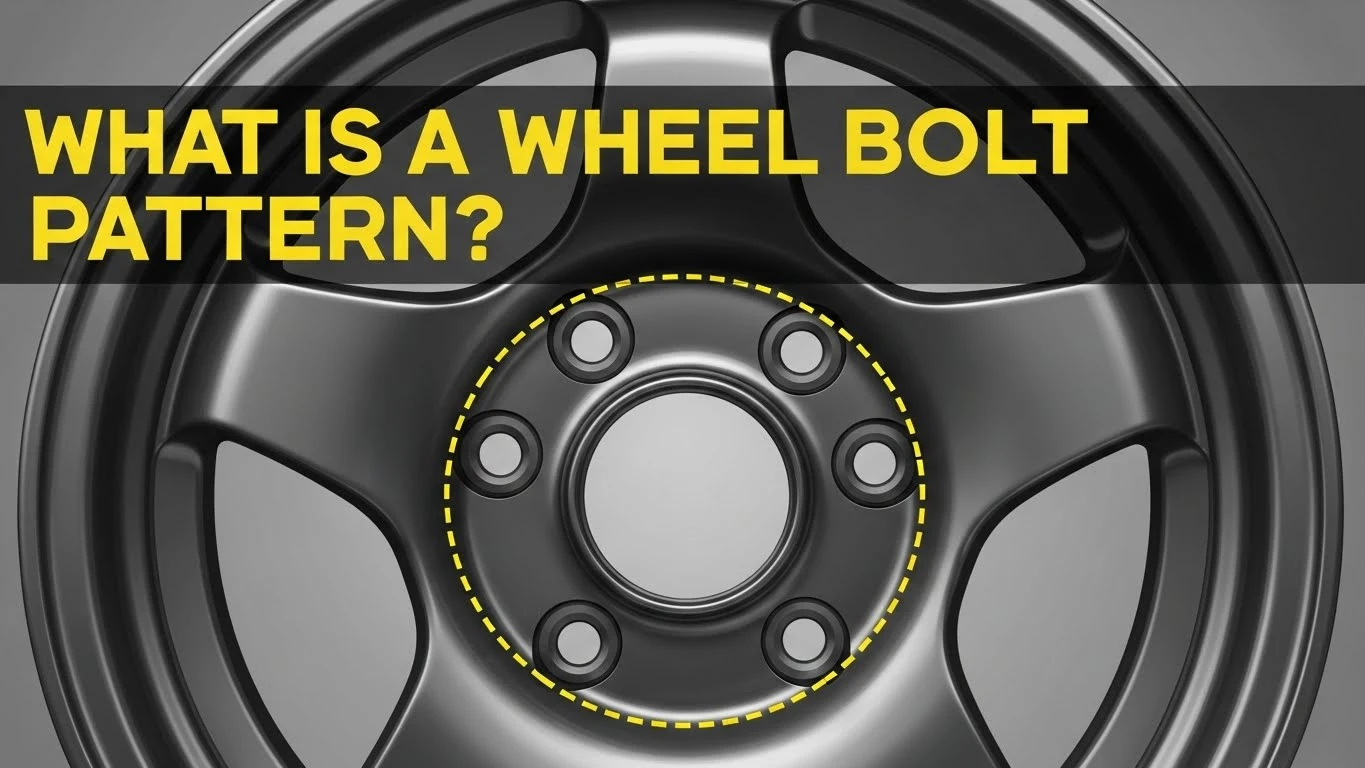
The number has gotta match up exactly with your wheel hub or the wheel just won’t fit properly at all. If the pattern is wrong the wheel either won’t fit or it might wobble really dangerously when you’re driving down the road which is seriously not good. That’s genuinely dangerous stuff and it can cause accidents or major damage to your truck.
The Chevy S10 wheel specs mostly include these 5 lug patterns for the earlier years of production. But then some of the 4×4 models and later years actually have 6 lug layouts instead which totally changes everything about fitment. That’s why understanding the difference between 5 lug and 6 lug Chevy models is absolutley key here.
A proper fit is also gonna help you avoid that uneven tire wear and it improves your overall stability while you’re driving around. Mismatched patterns cause vibration and this uneven stress on your suspension components over time you know. This leads to premature wear and some pretty expensive repairs that honestly could have been avoided from the start.
How to Measure Your Chevrolet Bolt Pattern Correctly
Measuring a bolt pattern is actually pretty simple if you follow a proper measurement guide carefully through the whole process. The method changes a little bit depending on whether you’ve got 4 lug or 5 lug or 6 lug wheels on your truck. Each one requires a slightly different measuring technique to get those accurate results.
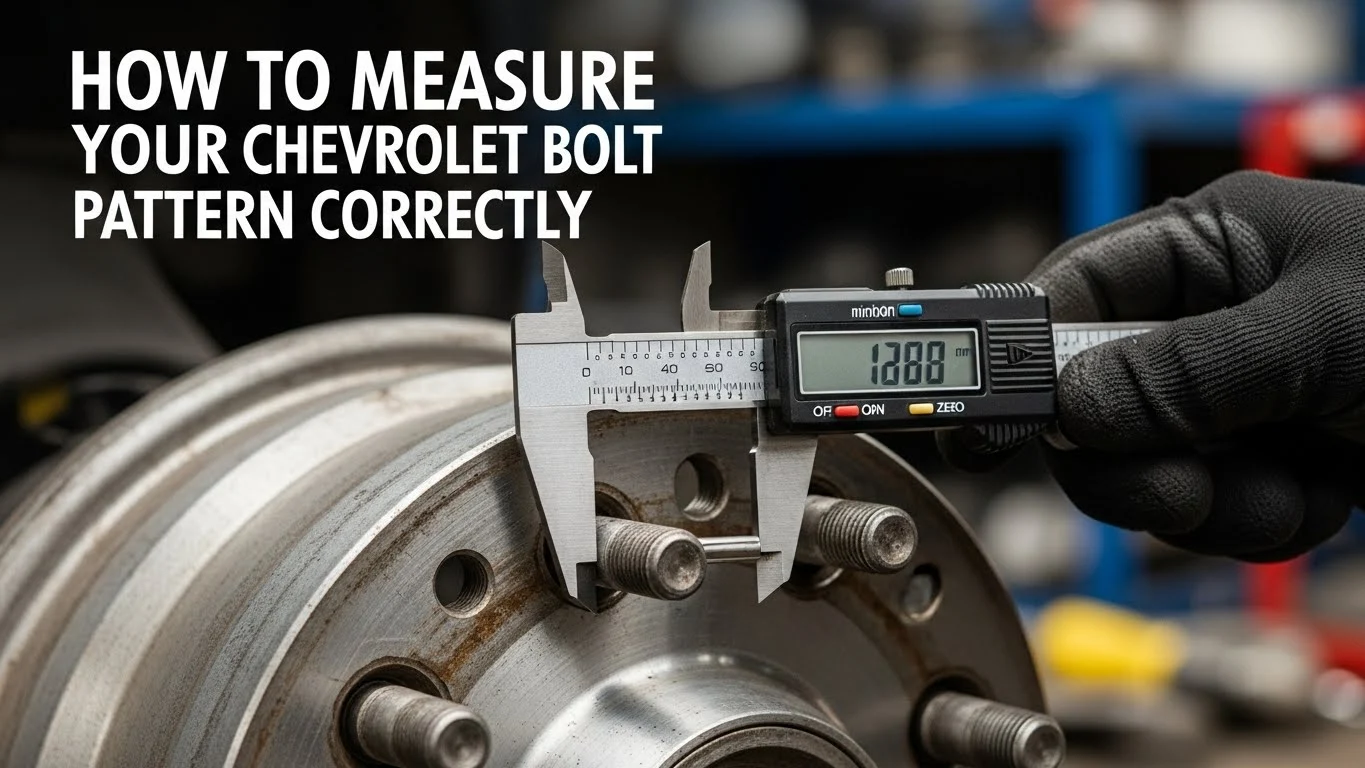
For 4 lug or 6 lug wheels you measure from the center of one lug hole straight across to the center of the opposite hole directly across from it. This gives you the bolt circle diameter which is exactly what you need for matching things up correctly.
For 5 lug patterns you measure from the back edge of one lug hole to the center of the opposite lug hole across from it. This odd number layout requires this specific measuring method to get the correct diameter reading every time.
This measurment gives you the wheel bolt circle which is the diameter of the circle that the lug holes form around the hub. Always use a ruler or caliper for accuracy instead of just eyeballing it and hoping for the best. Measure in both inches and millimeters to cover all your bases here.
This really helps when you’re comparing U.S. wheels and international wheel sizes or doing a wheel conversion for imported wheels from other countries. Many aftermarket wheels are listed in metric measurements so having both measurements prevents confusion and mistakes when you’re ordering stuff.
Do All Chevrolet Vehicles Use the Same Bolt Pattern?
No absolutley not all Chevrolets use the same bolt pattern across different models which surprises some people. Different vehicles even in the same lineup can use different lugs or spacing that just aren’t interchangable with eachother. This surprises alot of people who kinda assume all Chevy trucks are basically the same but they’re really not.
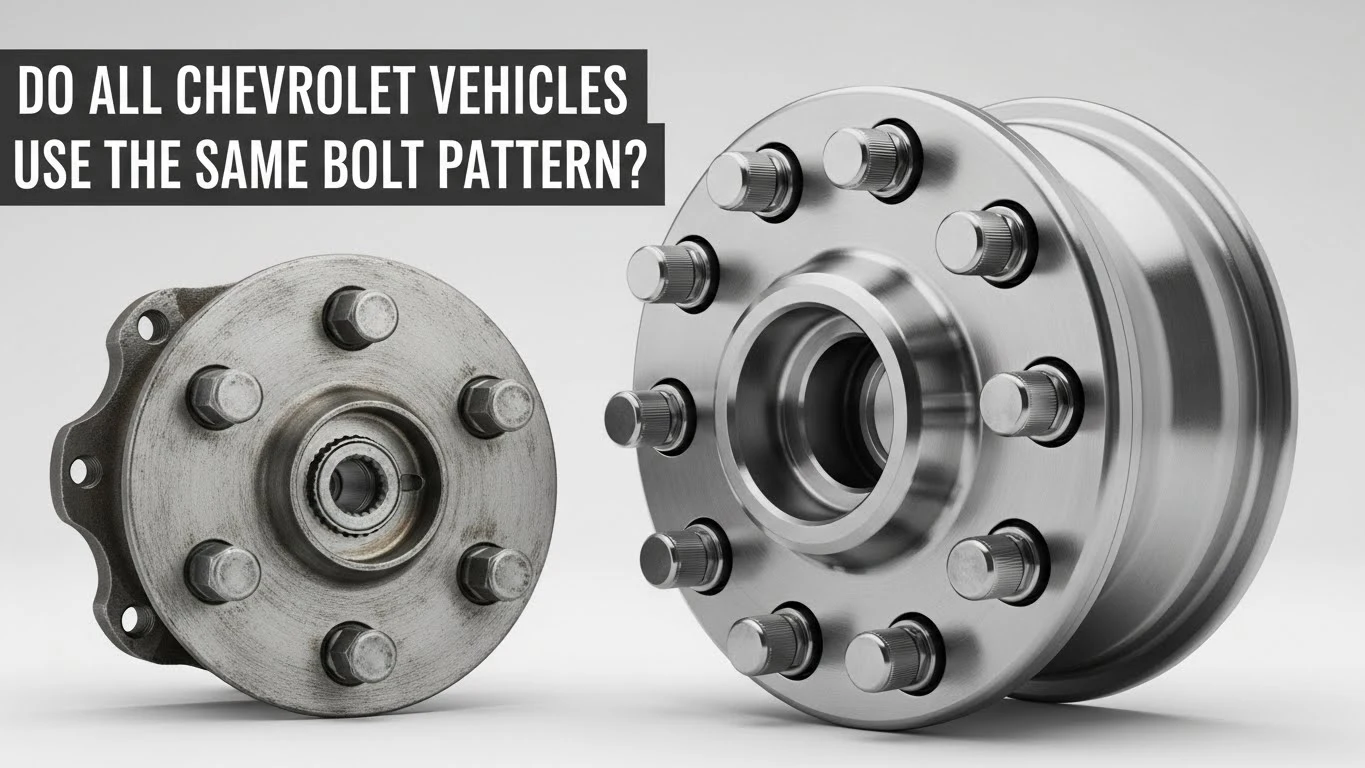
Like for example the Chevy S10 bolt pattern from 1982 to 2005 is mostly 5×4.75 inches for most models. While newer models like the Colorado or Silverado might use a 6×5.5 lug pattern instead which is totally different. You can actually learn more about the latest models in that comprehensive 2025 Chevy Silverado review which covers all the modern specifications.
Even within the S10 generations themselves some changes occurred over the years that matter. Early S10 models from 1982 to 1993 stuck with the same setup pretty consistently through those years. While the 1994 to 2004 models had these slight changes in hub size and offset that definitely affect fitment when you’re swapping wheels.
Always check a vehicle bolt pattern guide to know what actually fits your specific year model. Don’t just assume wheels from one year are gonna fit another even if they look pretty similar at first glance. Small differences can cause some major problems when you actually try to mount them on there.
Chevrolet Bolt Pattern Chart by Model and Year
Here’s a helpful bolt pattern reference chart for the Chevy S10 over the years that you can use:
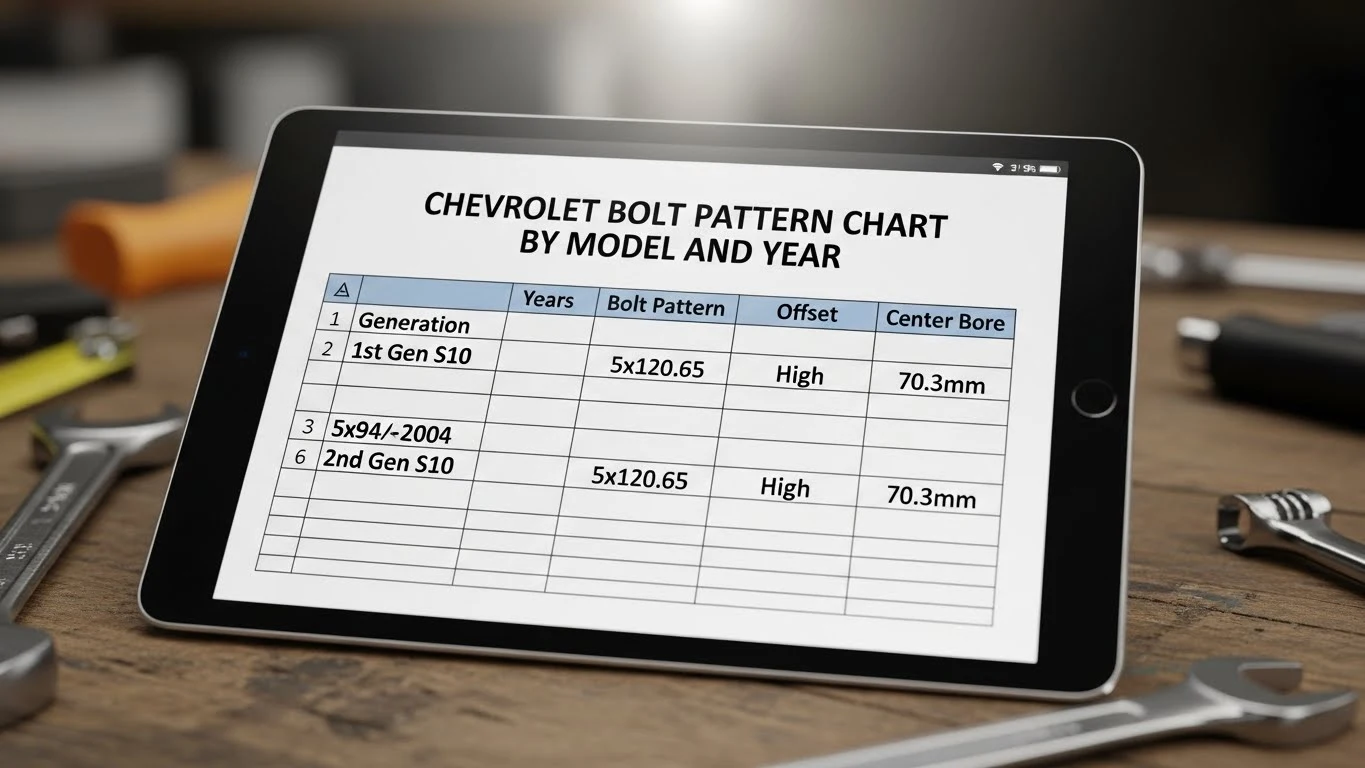
Models from 1982 to 1993:
- Lug count is 5
- Bolt pattern is 5×4.75 inches
- Center bore measures 70.3 millimeters
- Thread size is M12 x 1.5
- Torque spec is 100 pound feet
Models from 1994 to 2004:
- Lug count is 5
- Bolt pattern is 5×4.75 inches
- Center bore measures 70.3 millimeters
- Thread size is M12 x 1.5
- Torque spec is 100 pound feet
Models from 2005 to 2025:
- Lug count is 6
- Bolt pattern is 6×5.5 inches
- Center bore measures 78.1 millimeters
- Thread size is M14 x 1.5
- Torque spec is 140 pound feet
This chart covers the wheel dimensions and thread size and torque specs that you’re gonna need. Use this table when you’re shopping for new wheels or replacing damaged ones that got messed up. Keep this information somewhere handy whenever you’re buying wheels online or at a shop in person.
Bolt Pattern Conversion Guide
Wheels get sold in both inches and millimeters depending on who’s manufacturing them and where they’re from. Use this wheel conversion table to compare common S10 wheel bolt pattern measurments accurately:
Common Conversions You’ll Need:
- 4.75 inches equals 120.7 millimeters
- 5.5 inches equals 139.7 millimeters
- 6.0 inches equals 152.4 millimeters
This is really useful when you’re shopping for aftermarket wheels from different markets or other countries overseas. Use this info to avoid making mistakes or needing those expensive adapters later on down the road. Many online retailers list their specs in metric so knowing the conversion prevents you from ordering the wrong sizes by accident.
Lug Nuts, Torque Specs and Wheel Fastening Tips
Each lug nut has gotta be tightened to the correct torque specification without any exceptions here. Over tightening can strip those threads or warp your brake rotors causing some major problems you don’t want. Under tightening can cause the wheel to loosen while you’re driving which is extremly dangerous stuff.
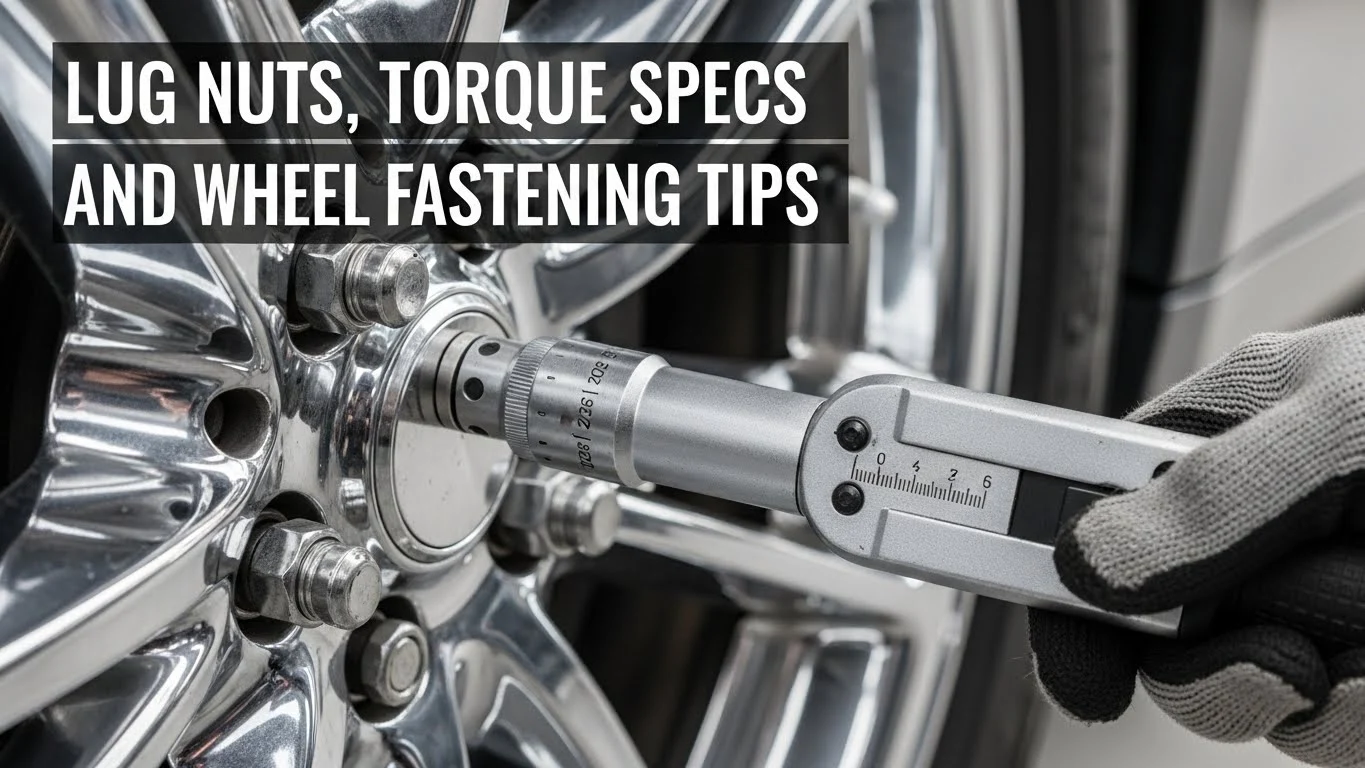
Use a torque wrench and follow the wheel tightening torque from your chart exactly like it says. Most S10 models need about 100 pound feet for those 5 lug setups when properly tightened down. Later 6 lug setups are gonna require 140 pound feet for proper clamping force on the hub.
Make sure to match those lug nut torque specs exactly for your specific year model. Always double check the center bore size so the wheel actually seats properly on the hub without any gaps. Misalignment here can cause some serious shaking and vibration at highway speeds which is not fun.
Just like correct torque is super critical for wheel safety understanding other engine specifications is really key to preventing damage too. Like for instance knowing the correct Chevy 4.3 firing order is essential to avoid misfires and ensure your engine runs smooth. Both of these things require precision and following the specifications exactly like they’re written.
How to Tighten and Maintain Bolt Patterns Properly
Knowing how to tighten those lug nuts the right way is gonna help extend your wheel life significantly over time. Use a criss cross pattern to avoid warping the rotor during the tightening process. This distributes the pressure evenly instead of stressing just one area which can cause warping.
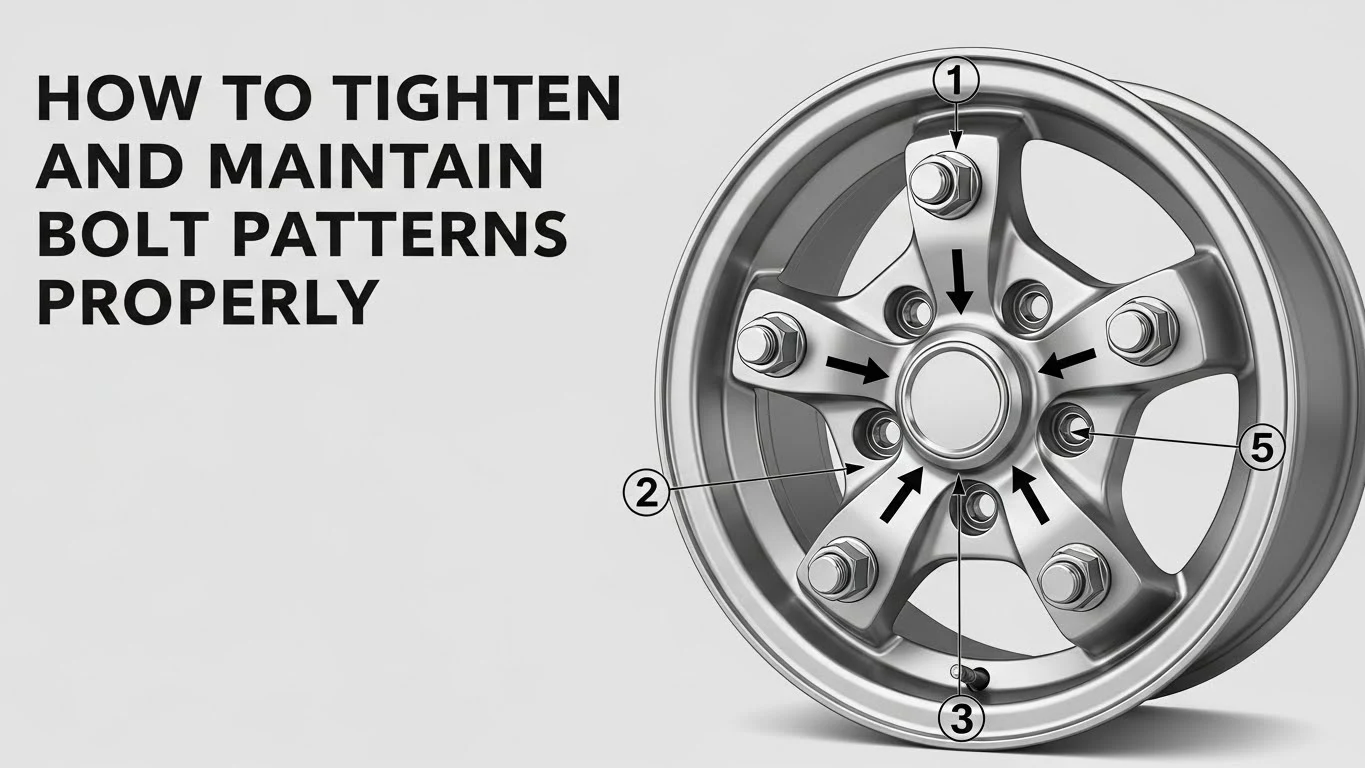
Proper Tightening Sequence You Should Follow:
- First tighten all the lug nuts by hand until they’re snug
- Use your torque wrench in a star pattern to half the torque spec
- Go around again in that star pattern to the full torque amount
- Double check all the lugs after your first drive around
Check those lugs again after about 50 to 100 miles of driving your truck around town. This step prevents loosening from that initial settling that happens with new wheels. It’s a really key part of wheel replacement tips and general maintainence that everyone should actually follow.
Inspect your lug nuts regularly for any wear or damage that could potentially cause failure later. Replace any that show signs of stripping or corrosion immediately when you see it. Keeping them in good condition prevents wheels from loosening unexpectedly while you’re out driving.
Finance Options for Chevrolet Wheels and Tires
Wheels and tires can get pretty expensive really quickly when you’re upgrading your S10 setup. Many U.S. retailers offer zero percent financing or these split payment plans to help you out. Popular options include stuff like Affirm and Klarna and dealership credit programs with various different terms available.
This helps you afford those premium aftermarket wheels or new tires without having to pay everything all upfront at once. Always read the terms super carefully especially those interest rates and repayment periods they’re offering. Some deals are definitley better than others so you should compare before you commit to anything.
Watch out for those deferred interest plans that charge retroactive interest if you don’t pay it off in time. Regular financing with fixed payments is often alot better than those deferred plans in my opinion. Calculate the total cost including interest before deciding which option actually works best for your situation.
Compatibility with Other Vehicles: What Fits a Chevy S10?
Many GM trucks and SUVs share similar lug layouts from that same era back then. That means you might find some good fitment with vehicles like the GMC Sonoma and Oldsmobile Bravada and Isuzu Hombre too. For enthusiasts of those classic GM trucks from that era the guide on 1995 GMC Sierra K1500 trim levels offers a really deep dive into another iconic model from the 90s.
Always double check the lug pattern compatibility before you start swapping wheels between different vehicles. Even a really close match can cause some problems if the wheel stud spacing or center bore size differs even slightly. What looks like it’s gonna fit might not actually be safe once you start driving around.
Other Chevy cars like the Camaro and Corvette also used that 5×4.75 pattern for many years of production. This opens up alot of wheel options from performance brands that were originally made for those sports cars. Just make sure you verify that offset and backspacing work for truck applications cause they’re different.
Some Cadillac models also shared this bolt pattern making those luxury wheels an option if you want. But again you gotta check all the specs not just the bolt pattern before you buy anything. Width and offset matter just as much as lug pattern for proper fitment on your truck.
Common Mistakes People Make with Bolt Patterns
So I’ve seen alot of people make the same mistakes over and over again when they’re dealing with bolt patterns. Like one of the biggest ones is assuming that just because a wheel looks like it fits it’s actually gonna be safe to drive on. That’s genuinely dangerous thinking right there.
Another thing people do is they’ll try to force a wheel onto a hub that doesn’t quite match up perfectly. They’ll get like four out of five lugs to line up and think that’s good enough to work with. But that one lug that doesn’t line up is gonna cause some serious problems down the road for sure.
Some guys also forget to check the center bore size which is really important stuff. The center bore is that big hole in the middle of the wheel that sits on the hub. If it’s too small the wheel won’t even go on obviously. But if it’s too big the wheel can wobble even with the lugs tight which is super dangerous.
And then there’s the whole offset and backspacing thing that confuses alot of people honestly. You can have the right bolt pattern but if the offset is wrong the wheel might hit your fender or your suspension components. I’ve seen guys spend hundreds on wheels only to find out they rub on every bump they hit.
Understanding Offset and Backspacing on S10 Wheels
Alright so offset is basically how far the mounting surface is from the centerline of the wheel. Positive offset means the mounting surface is toward the outside of the wheel. Negative offset means it’s more toward the inside which pushes the wheel out further from the truck.
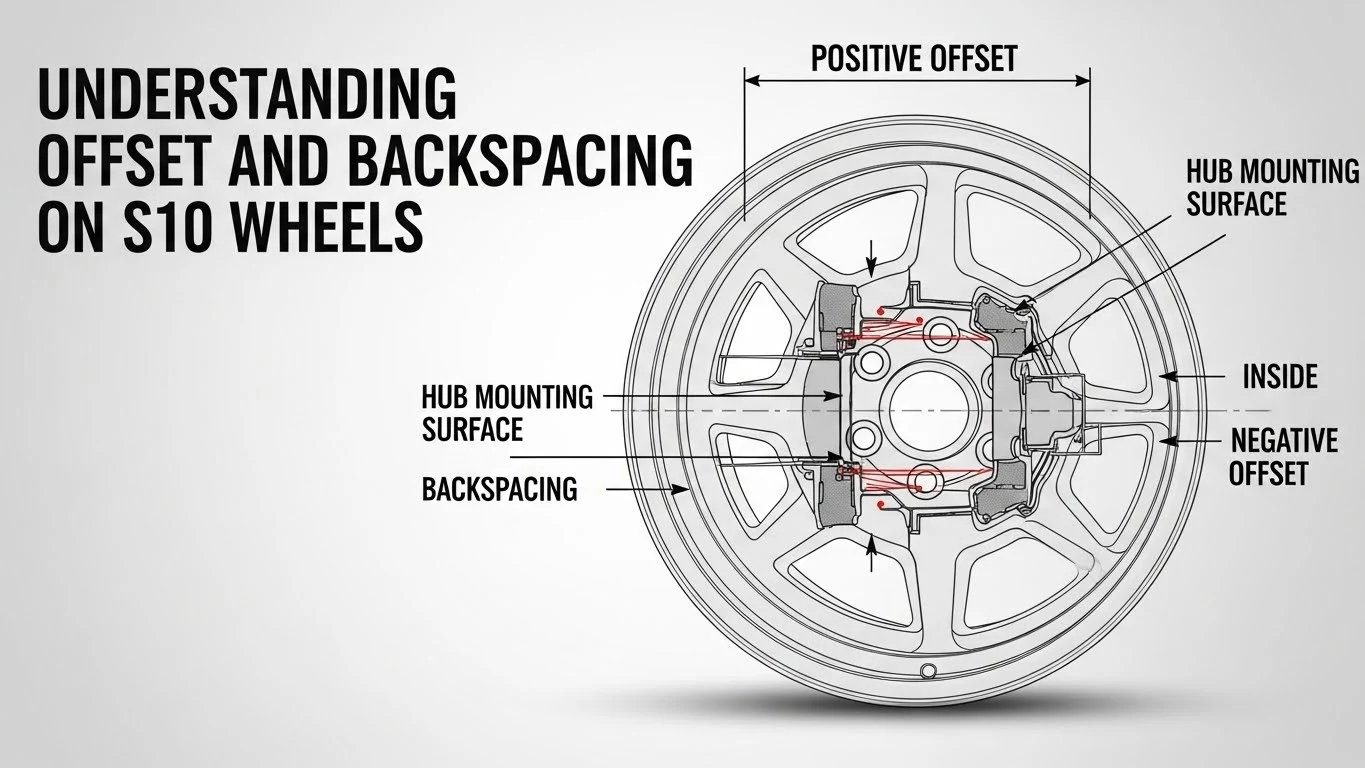
Most stock S10 wheels have somewhere around a positive 10 to positive 25 millimeter offset from the factory. If you go with wheels that have way different offset you’re gonna run into clearance issues pretty quickly. Like the wheel might stick out past the fender or it might rub on your suspension when you turn.
Backspacing is kinda related but it’s measured differently from the offset measurement. It’s the distance from the mounting surface to the back edge of the wheel. More backspacing pushes the wheel in toward the truck. Less backspacing pushes it out away from the body.
You gotta find that sweet spot where the wheel clears everything when you turn and when you hit bumps. Too much either way and you’re gonna have problems that you’ll notice right away. Some guys use wheel spacers to adjust this but spacers add their own set of problems honestly.
Aftermarket Wheel Options for Chevy S10
The aftermarket wheel selection for S10 trucks is actually pretty huge which is awesome. Since the 5×4.75 pattern was used on so many GM vehicles for years there’s tons of options out there. Everything from basic steel wheels to fancy forged aluminum ones in every style you can imagine.
Popular brands like American Racing and Cragar and Vision and Method all make wheels that fit the S10 bolt pattern. You can go with classic muscle car styles or modern truck wheels or even those off road beadlock wheels if you’re into that scene.
Wheel sizes typically range from 15 inches up to 20 inches for most S10 applications realistically. Going too big can cause speedo errors and rubbing issues though. Most guys stick with 16 or 17 inch wheels cause they offer good tire selection without causing problems.
When you’re shopping for aftermarket wheels make sure to check all the specs not just the bolt pattern. Look at the load rating too cause some lightweight wheels aren’t rated for truck use. The last thing you want is a wheel failure cause you went with something too light for your application.
How Wheel Spacers Work and When to Use Them
Wheel spacers are these metal discs that go between your hub and your wheel to push the wheel out further. Some people use them to get a wider stance or to clear brake calipers or suspension components that might be in the way.
They come in different thicknesses from like 5 millimeters all the way up to 2 inches or more depending on what you need. Hub centric spacers are better cause they center on the hub properly. Lug centric ones can cause vibration if they’re not perfectly centered.
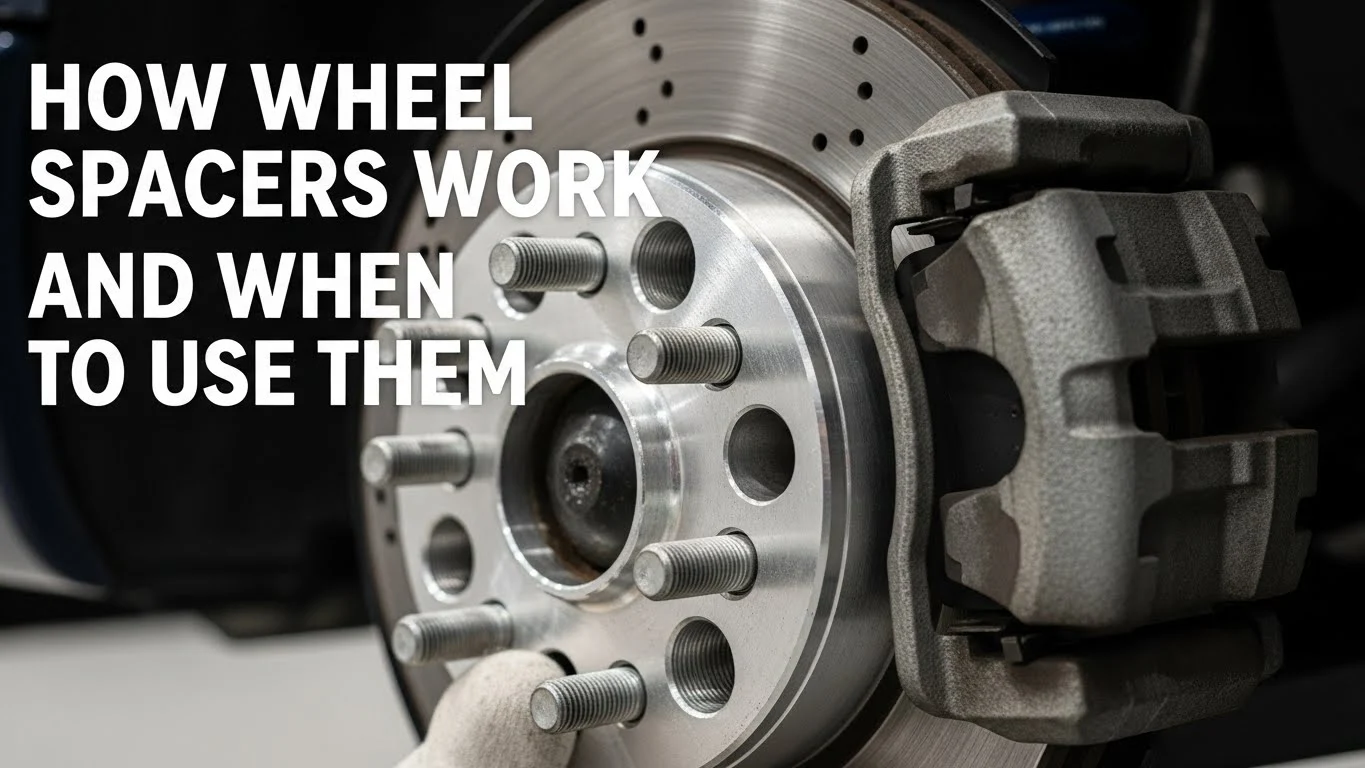
But here’s the thing about spacers that alot of people don’t realize upfront. They put extra stress on your wheel bearings and suspension components cause they’re changing the geometry. Using thick spacers can actually wear out your bearings faster than normal which costs money.
They also require longer lug studs usually if you go with thicker spacers. You need enough thread engagement to be safe which means at least 6 full threads past the lug nut. If you don’t have enough thread the lug can strip or break which is really bad news.
Personally I’d rather get wheels with the right offset from the start instead of using spacers. But sometimes spacers are the only way to make certain wheel and brake combinations work together properly. Just make sure you buy quality ones not those cheap ones off eBay that might fail.
Tire Size Recommendations for Different S10 Models
Picking the right tire size for your S10 depends on what year you’ve got and what you’re using it for basically. Stock tire sizes varied quite a bit over the years from like 205/75R15 on early models up to 235/75R15 on later ones.
If you’re staying stock height you probably wanna stick pretty close to factory tire sizes. Going too big will cause rubbing and speedo errors. Going too small looks kinda weird and can affect your gear ratios which hurts performance.
For lifted S10 trucks you can fit bigger tires which is what alot of guys want anyway. With a 3 inch lift you can usually run 31 inch tires without major modifications needed. Six inch lifts can clear 33s but you might need to trim some fender and do some other modifications.
Remember that bigger tires are heavier which affects acceleration and braking distances noticeably. They also change your effective gear ratio making it feel like you’re in a taller gear. Some guys regear their diffs to compensate but that’s expensive work to have done.
Winter Wheel and Tire Considerations
If you live somewhere with real winter weather you might wanna think about getting a seperate set of wheels and tires for winter. Having dedicated winter wheels makes tire swaps way easier and protects your nice wheels from salt and road chemicals.
Steel wheels are popular for winter cause they’re cheap and you don’t care if they get beat up from the salt. They’re also easier to clean than fancy aluminum wheels with alot of spokes and crevices. Just spray them off and you’re good to go.
Winter tires make a huge difference in snow and ice compared to all season tires honestly. The rubber compound stays flexible in cold temps and the tread pattern is designed for snow traction. Even with four wheel drive you want proper winter tires for the best grip.
When you’re storing your summer wheels during winter make sure to clean them really well first. Get all the brake dust and road grime off so it doesn’t sit there for months. Store them somewhere dry and away from direct sunlight if you can manage it.
Checking for Wheel Damage and When to Replace
You should inspect your wheels regularly for any damage that could cause problems down the road. Look for cracks especially around the lug holes and the center bore area. Even small cracks can grow and cause catastrophic failure eventually.
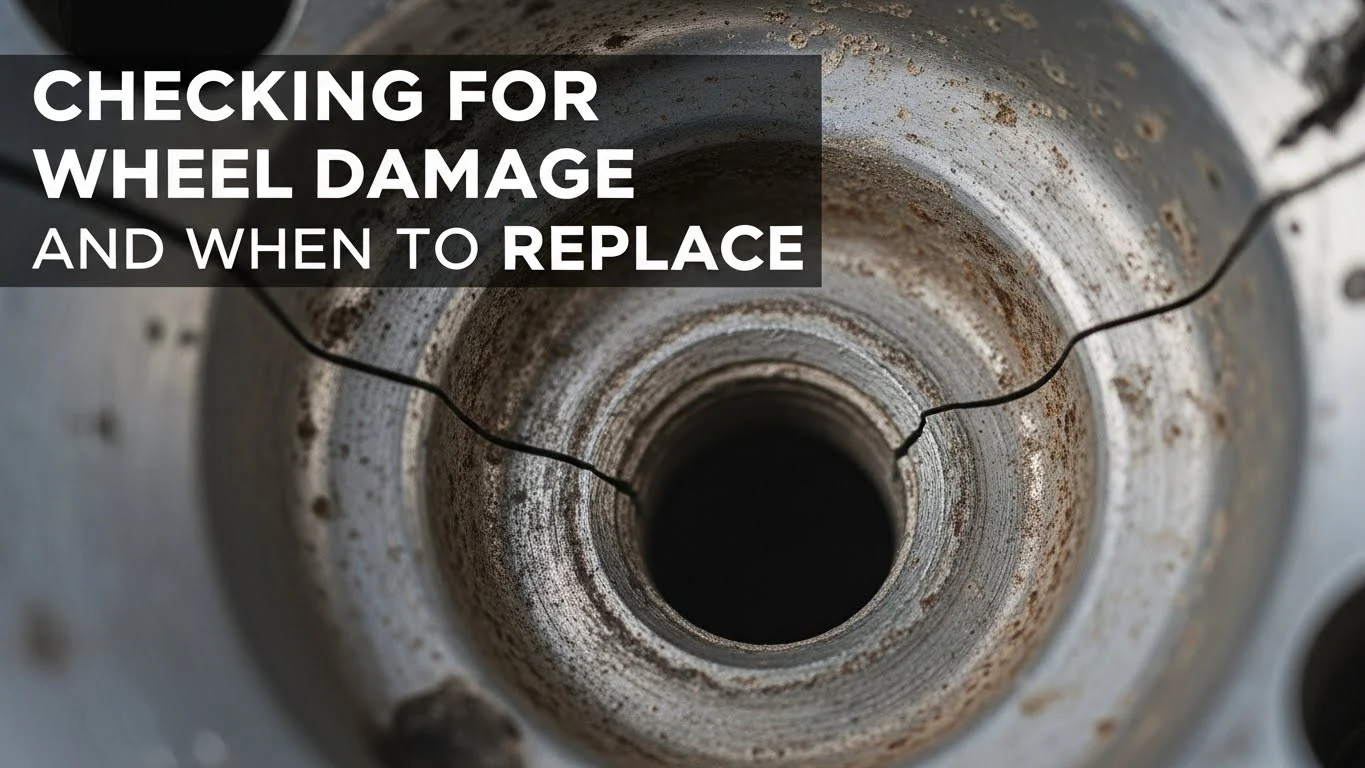
Bent wheels are another common issue especially if you hit potholes or curbs regularly. A bent wheel causes vibration that you’ll feel through the steering wheel usually. Sometimes they can be straightened but badly bent wheels should just be replaced for safety.
Corrosion can also weaken wheels over time particularly on aluminum wheels in salt belt states. Surface corrosion might just be cosmetic but deep pitting can actually compromise the structural integrity. If you see severe corrosion it’s probably time for new wheels.
Pay attention to how your truck feels when driving cause wheels problems usually show up as vibrations or pulling. If something feels off get it checked out sooner rather than later. It’s way cheaper to fix a small problem than deal with a wheel failure at highway speeds.
Final Thoughts on S10 Bolt Patterns
So look at the end of the day understanding your S10 bolt pattern is really just about being safe and making smart decisions. It’s not rocket science but you gotta pay attention to the details cause the details actually matter here alot.
Whether you’re putting on stock replacement wheels or going with some custom aftermarket setup just take your time and do it right. Measure everything twice and check all your specs before you buy anything expensive that might not fit.
Don’t be afraid to ask questions at the wheel shop or on S10 forums where experienced guys can help you out. There’s no such thing as a dumb question when it comes to safety stuff like wheels and tires that keep you connected to the road.
And remember that just because something is popular or looks cool doesn’t mean it’s the right choice for your specific truck. What works great on someone else’s S10 might cause problems on yours depending on year and setup and what you’re trying to do with it.
Take care of your wheels by keeping them clean and checking the torque regularly and they’ll last you a really long time. It’s basic maintainance that doesn’t take much effort but makes a big difference in the long run for sure.
FAQ
What is the bolt pattern on a Chevy S10?
Most Chevy S10 trucks from 1982 to 2004 have a 5×4.75 inch bolt pattern which equals 5×120.7 millimeters exactly. Later models might use a 6×5.5 inch layout instead so you should always check your specific year before buying wheels.
What is the 5×4.5 bolt pattern the same as?
The 5×4.5 inch bolt pattern is the same as 5×114.3 millimeters exactly when you convert it. It’s pretty common on many Ford and Jeep and some import vehicles but it’s different from the S10 pattern so they won’t fit.
Will 5×120 wheels fit on a S10?
No 5×120 millimeter wheels won’t fit directly on a Chevy S10 with that 5×4.75 pattern at all. Unless you use proper wheel adapters but those really aren’t recomended for safety reasons in my opinion.
What is the bolt pattern on a 2000 S10 5 lug?
A 2000 Chevy S10 with a 5 lug setup uses a 5×4.75 inch bolt pattern for sure. It’s got a 70.3 millimeter center bore with M12x1.5 thread size requiring exactly 100 pound feet of torque when you tighten them.
What is the bolt pattern on a 2001 Chevy S10?
The 2001 Chevy S10 also uses a 5×4.75 inch bolt pattern on most trims you’ll find. With that matching thread size M12x1.5 and same torque specs as other years in that whole generation of trucks.