Nissan Altima Owner’s Guide fotMaintenance, Specs, and Reliability

- Ford Expedition Years to Avoid A Mechanic’s Complete Guide (2026) - January 28, 2026
- 5 Signs You Need to Change Your Transmission Fluid Chevy Silverado - January 27, 2026
- Ford Maverick Years to Avoid: Worst & Best Models (2022-2026) - January 26, 2026
The Nissan Altima has earn it place as a depend able mid size sedan that drive acros the USA genuineli trust for every day use. Favor for it smoth ride and impresive fuel efficiency and those advanced features that actualy make drive better every single day you get behind the wheel.
To keep it performing at it absolute best folowing the proper maintenence schedule is completele esential for long term releability that extends beyond 200,000 miles. This comprehensive guide offers clear practical insight into up keep from the right oil change interval to essential brake care and tire maintenance and transmission service that absolutely cannot be skipp or delayed.
We will also learn about common reliability isues that pop up over time and real cost saving tips and prevent measures to avoid those expensive repairs that absolutely drain your wallet when they hit. Whether you own a brand new model fresh off the lot or a high mileage Altima with years of stories and memories this guide ensures you will know exactly how to protect your investment properly over time.
Driving an Altima offers this perfect mix of comfort and performance and modern features making it one of the most trusted midsize sedans on American roads today without question from anyone. However keeping your Altima in top shape requires consistent proper care throughout the entire ownership experience from day one to the day you sell it.
Routine service following the maintenance schedule helps prevent those costly repairs down the line and ensures dependable performance for years and years of reliable driving ahead. This complete guide provides detailed insights into servicing requirements and reliability advice and essential upkeep tips tailored specifically for Altima owners across the USA in different climates.
From regular oil changes and tire rotations to brake inspections and seasonal care you will find everything needed to protect your hard earned investment in this vehicle. By following these expert recommendations carefully you can extend your vehicle lifespan significantly and maintain smooth handling and enjoy worry free driving whether commuting daily through traffic or taking long cross country trips with family. With the right maintenance habits built into your routine your Altima will remain as reliable and efficient as the day you first drove it off the dealership lot with that new car smell.
Overview of the Nissan Altima
For decades now the Nissan Altima has remained a trusted choice for drivers across the United States consistently year after year without fail. Praised for its excellent fuel economy numbers and spacious cabin design and refined driving comfort that makes even long trips bearable and sometimes enjoyable.
It is a sedan that adapts equally well to daily city commutes through congested streets and long distance highway travel across multiple states for vacations or work.

Offering a genuine blend of practicality and style that appeals to different types of drivers from young professionals to growing families. Whether equipped with a responsive four cylinder engine that sips gas efficiently or the more powerful V6 that delivers serious acceleration when you need it adhering to the recommended service intervals is absolutely crucial to maintaining peak performance over time.
Modern Altima models come loaded with advanced driver assistance technologies that actually work in real conditions and sleek aerodynamic design that looks good from every angle and user friendly infotainment systems that connect seamlessly with your phone. However these innovations require consistent care to function properly year after year and mile after mile.
By committing to preventive maintenance from day one of ownership owners can protect reliability and extend longevity dramatically and ensure their vehicle continues delivering smooth dependable performance even after many years and countless miles on the road. The Altima reputation for dependability is not accidental at all or just marketing hype.
It comes from solid engineering combined with owners who actually take maintenance seriously instead of ignoring problems. Nissan designed this sedan to last a really long time but only if you hold up your end of the deal with regular service appointments.
Skipping oil changes or ignoring those annoying warning lights or delaying brake service when you hear squealing undermines everything the engineers built into this car. Think of maintenance as an investment rather than just another annoying expense that drains your bank account.
Every dollar spent on preventive care today saves you five or ten dollars on emergency repairs later when things break at the worst possible time. The choice between paying a hundred bucks for an oil change today or five thousand dollars for complete engine work next year is pretty straightforward when you think about it.
Understanding Your Nissan Altima Service Needs
Every car out there is genuinely unique and your specific Altima needs depend heavily on age and current mileage and the driving conditions you face regularly in your area.
If you drive in extreme heat during brutal summer months or freezing winters with ice and snow everywhere or dusty desert areas you may need significantly shorter oil change intervals and way more frequent inspections than someone living in mild coastal climates.

Knowing exactly what is included in standard service helps you avoid those unpleasant surprises at the shop when the final bill comes and makes you wince. Typical services cover oil changes as everyone expects and tire rotation on schedule and brake checks for safety and fluid top ups for all systems and filter replacements when they get clogged up.
These simple steps go a remarkably long way in preventing bigger and way more expensive problems down the road that can sideline your car for days. Your personal driving style matters tremendously too when planning out maintenance schedules and intervals.
Aggressive acceleration and hard braking wear components down faster than smooth gentle driving does over time. Stop and go city traffic is way harder on your car than steady highway cruising at constant speeds. Short trips under five miles never let the engine reach full operating temperature which means moisture builds up in the oil causing problems.
Towing trailers or carrying heavy loads regularly puts extra stress on the transmission and brakes and suspension components that were not designed for constant heavy use. All these factors directly affect how often you genuinely need service appointments. The factory maintenance schedule is based on what they call normal driving conditions.
If your driving falls under severe conditions which actually describes most American drivers whether they realize it or not then you need more frequent service intervals across the board. Severe conditions include frequent short trips under ten miles and extensive idling like sitting in traffic daily for your commute and driving in dusty or sandy areas and towing trailers regularly on weekends and using a roof rack constantly and driving in extreme temperatures either scorching hot or freezing cold.
If any of those accurately describe your typical driving then cut the standard intervals by about twenty five to thirty percent to be safe. Ignoring severe driving conditions is one of the biggest mistakes owners make when planning maintenance. They follow normal intervals when they should be doing severe which means their car wears out way faster than expected. Then they blame the car for being unreliable when really it was lack of proper maintenance causing the problems.
The Trusted Choice for American Families
The Altima has been a solid family favorite for generations now and for genuinely good reasons beyond just the price. It seats five people comfortably with enough trunk space for groceries and luggage and all that sports equipment kids haul around. Fuel economy keeps costs manageable even with gas prices fluctuating wildly from month to month and state to state. Safety ratings consistently earn high marks from independent testing organizations that crash test vehicles.

Reliability when properly maintained means fewer unexpected breakdowns at terrible times and lower overall repair costs over the years. Families genuinely appreciate the balance between affordability and quality that the Altima delivers consistently without major compromises.
Not the absolute cheapest car to maintain obviously but definitely not the most expensive either compared to luxury brands. Right in that sweet spot where value meets dependability for middle class budgets. Parents driving kids to school and activities want a car that starts every single morning without drama or excuses.
The Altima delivers that reliability when you actually keep up with basic maintenance instead of neglecting it. No car is completely maintenance free obviously despite what some people seem to believe. But the Altima asks for reasonable care in return for years of dependable service which seems fair. That is a trade most owners happily accept when they understand the benefits.
Nissan Altima Maintenance Schedule and Complete Service Guide
Following the official maintenance schedule keeps your vehicle in peak condition year after year without major unexpected issues popping up. Below is a comprehensive reference table based on standard driving conditions that most owners typically face in everyday use. Oil change needs doing every 5,000 to 7,500 miles depending on your specific driving conditions and oil type used.
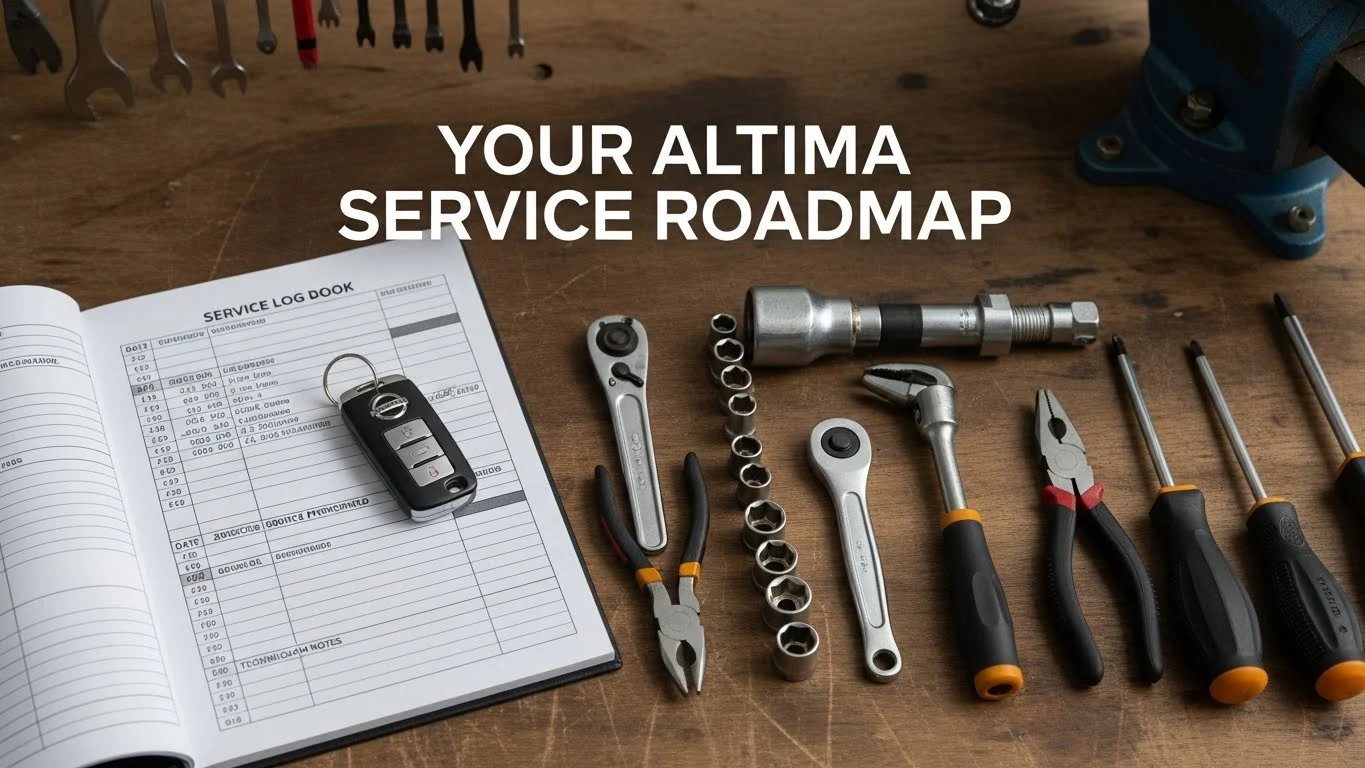
Tire rotation should happen every 5,000 to 7,500 miles as well to ensure even wear patterns across all four tires. Brake inspection is strongly recommended every 10,000 miles for safety reasons you cannot ignore. Air filter replacement comes every 15,000 to 30,000 miles depending on environment and dust levels in your area. CVT transmission fluid change is absolutely needed every 30,000 to 60,000 miles without exception.
Coolant flush should be done every 60,000 miles to prevent overheating issues in summer. Battery check happens every year without fail especially before winter hits hard. Spark plug replacement is due at 100,000 miles for most Altima models. Cabin air filter needs changing every 15,000 to 30,000 miles for air quality.
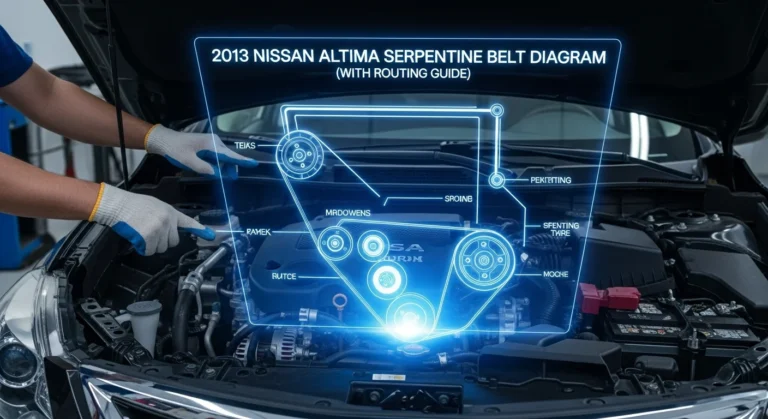
Brake fluid flush is recommended every 30,000 miles or three years. Serpentine belt inspection happens every 60,000 miles looking for cracks. Keeping up with these service intervals religiously prevents unexpected breakdowns on the highway and protects resale value significantly when you eventually decide to sell or trade. Skipping routine service almost always leads to common reliability issues that cost way more to fix later than simple prevention would have cost upfront.
Documentation matters tremendously for resale value too when the time comes to move on. Keep every single receipt from every service you do whether at a dealer or independent shop. Create a folder either physical or digital where you store all maintenance records organized by date. When you eventually sell the car having a complete service history proves beyond doubt you took care of it properly.
Buyers pay noticeably more for well documented maintenance than identical cars without any records to show. Proves you were not one of those owners who ignored problems until they became complete disasters requiring major repairs. A thick folder of service records tells the next owner this car was loved not abused.
Your Altima Essential Service Schedule
Staying organized with maintenance prevents important things from slipping through the cracks unnoticed. Set reminders on your phone for upcoming service dates so you do not forget. Put a sticker in the upper corner of your windshield noting exact mileage for next oil change coming up. Use a maintenance tracking app if you are into technology and digital organization.
Whatever system works best for your lifestyle use it consistently without fail. The goal is making maintenance automatic rather than something you only remember when problems start appearing. Some people use a simple spiral notebook kept in the glove box.
Write down every service with date and mileage and what was done. Low tech but effective if you actually use it consistently. Others prefer apps like CarFax Car Care or Simply Auto that send automatic reminders. These track everything digitally and can even pull service records from shops automatically. Find what works for you then stick with it long term. Consistency matters way more than which specific system you choose.
Official Nissan Altima Maintenance Schedule
Nissan provides a factory recommended service chart for all Altima models regardless of which specific year you happen to own. This schedule is genuinely the best starting point for planning your car upkeep properly over the long term.
The service checklist includes oil changes at proper intervals and brake inspections for safety and fluid replacements before they cause problems and seasonal checks for weather changes coming.
It is also really smart to get a troubleshooting guide from your local dealership so you know exactly when to address minor warning signs before they snowball into major expensive repairs. Your owner manual contains the complete maintenance schedule too in the back sections.
Actually read it instead of letting it sit untouched in your glove box gathering dust for years. Manufacturers invest serious money into extensive research determining optimal service intervals for longevity. Following their specific recommendations protects your warranty coverage and ensures the car performs exactly as originally designed.
Ignoring the manual is basically ignoring decades of accumulated engineering knowledge about how to make your specific model last. The manual tells you everything from tire pressure to fluid capacities to service intervals. All that information cost millions to develop through testing. Use it instead of guessing or following random internet advice from people who may or may not know anything.
The Heart of Your Engine
Oil is genuinely the lifeblood of your engine and choosing the right type matters enormously for longevity. Using wrong oil or cheap oil or old contaminated oil damages your engine slowly but surely over thousands of miles.
Nissan Altima Oil Change Guide
The best oil for your Altima depends largely on the specific engine configuration but most modern models especially from 2013 onward perform best with fully synthetic 0W-20 oil without any question. This specific viscosity offers excellent protection in both scorching hot summers and freezing cold winters while noticeably improving overall fuel efficiency.
Using the right oil also reduces wear and tear significantly helping avoid costly engine problems over the entire lifetime of the vehicle.
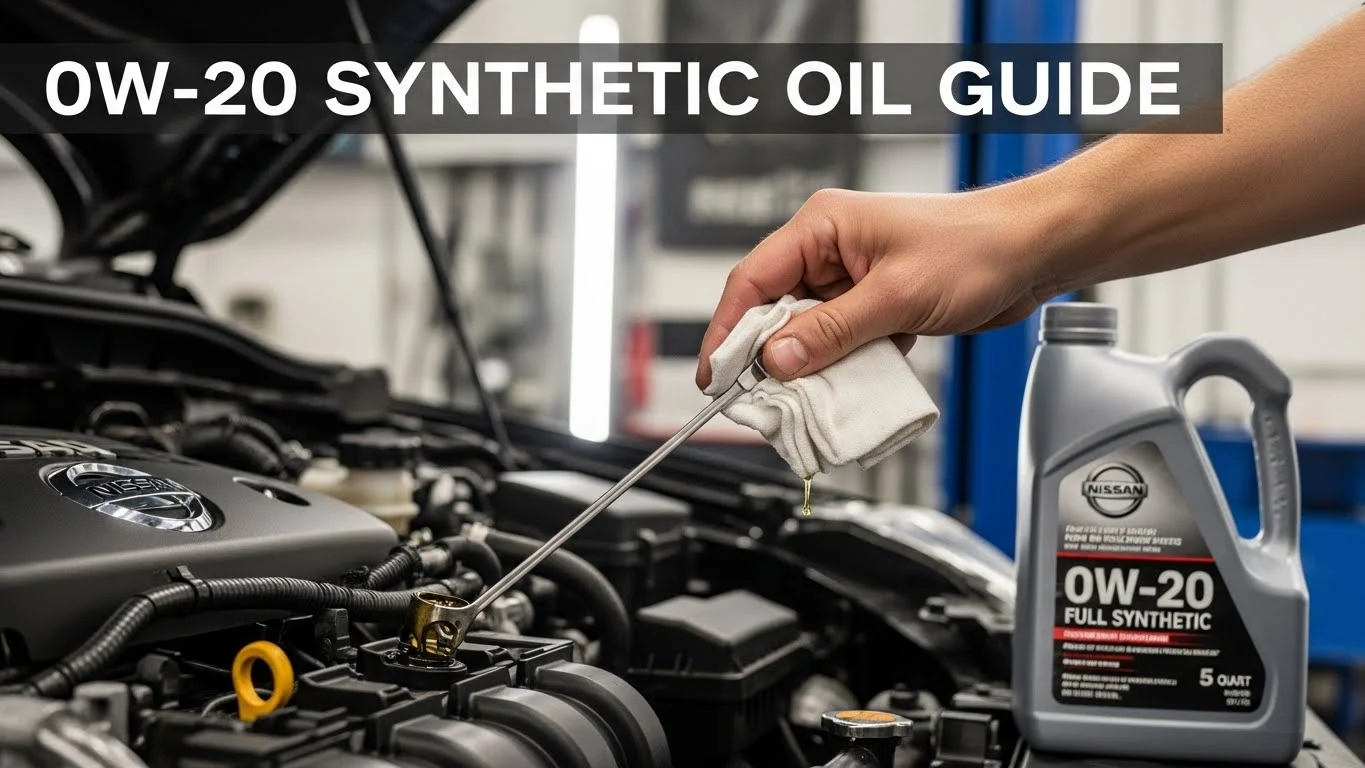
Knowing exactly when to change oil is equally important for engine health and longevity over time. For typical driving conditions the interval ranges between 5,000 and 7,500 miles as a safe general guideline. However if your driving involves frequent short trips under five miles or heavy towing with trailers or stop and go traffic daily or extreme climates either way then changing the oil sooner can significantly extend engine life.
This proactive approach prevents sludge buildup inside the engine and maintains lubrication quality and ensures your Altima performs at its absolute best year after year. Synthetic oil costs more upfront than conventional oil but provides substantially better protection under stress.
The extra ten or fifteen dollars per oil change is cheap insurance against catastrophic engine damage later. Modern engines run way hotter and have tighter tolerances than older designs from decades ago.
They genuinely need synthetic oil to survive beyond 100,000 miles. Using conventional oil in an engine specifically designed for synthetic is asking for problems eventually. Do not cheap out on oil thinking you are saving money in the short term.
You are actually setting yourself up for expensive repairs later that cost way more. Oil breaks down over time even if you do not drive much or barely use the car. Heat and moisture and combustion byproducts contaminate it slowly but surely. Old oil turns acidic and stops protecting metal surfaces properly allowing wear.
That is why time matters not just accumulated mileage on the odometer. Even if you only drive 3,000 miles per year change the oil at least annually. Sitting oil is definitely not good oil no matter what some people claim.
Check your oil level monthly between changes too for safety. Takes literally two minutes and can save your entire engine from destruction. Pull the dipstick when the engine is cold for accurate reading. Wipe it completely clean then reinsert it fully into the tube.
Pull it again and carefully check the level reading. Should be somewhere between the low and full marks clearly. If it is low add oil immediately before driving anywhere else. Running even half a quart low increases wear dramatically over time. Some Altimas burn a little oil as they age past 100,000 miles. Completely normal for high mileage engines to consume some oil. Just check it regularly and top off when needed between changes.
Protect Your Transmission
The transmission is genuinely the second most expensive component in your entire car after the engine itself. Protecting it through proper fluid maintenance is absolutely not optional if you want it to last.
Nissan Altima Recommended Oil Change Intervals
Normal driving conditions call for oil changes every 7,500 miles as the baseline starting point. Mixed driving situations need service every 6,000 miles to stay safe and protected. Severe conditions require changes every 5,000 miles to adequately protect the engine long term. Again most drivers actually fall into severe conditions whether they realize it or not.
Transmission and CVT Fluid Maintenance
The Altima Continuously Variable Transmission needs proper care to last beyond 100,000 miles without major expensive issues. The CVT transmission fluid change should be done every 30,000 to 60,000 miles depending on your specific driving habits and conditions.
Ignoring this absolutely critical service can lead to serious transmission problems such as slipping during acceleration or overheating under load or strange grinding noises that signal internal damage happening.
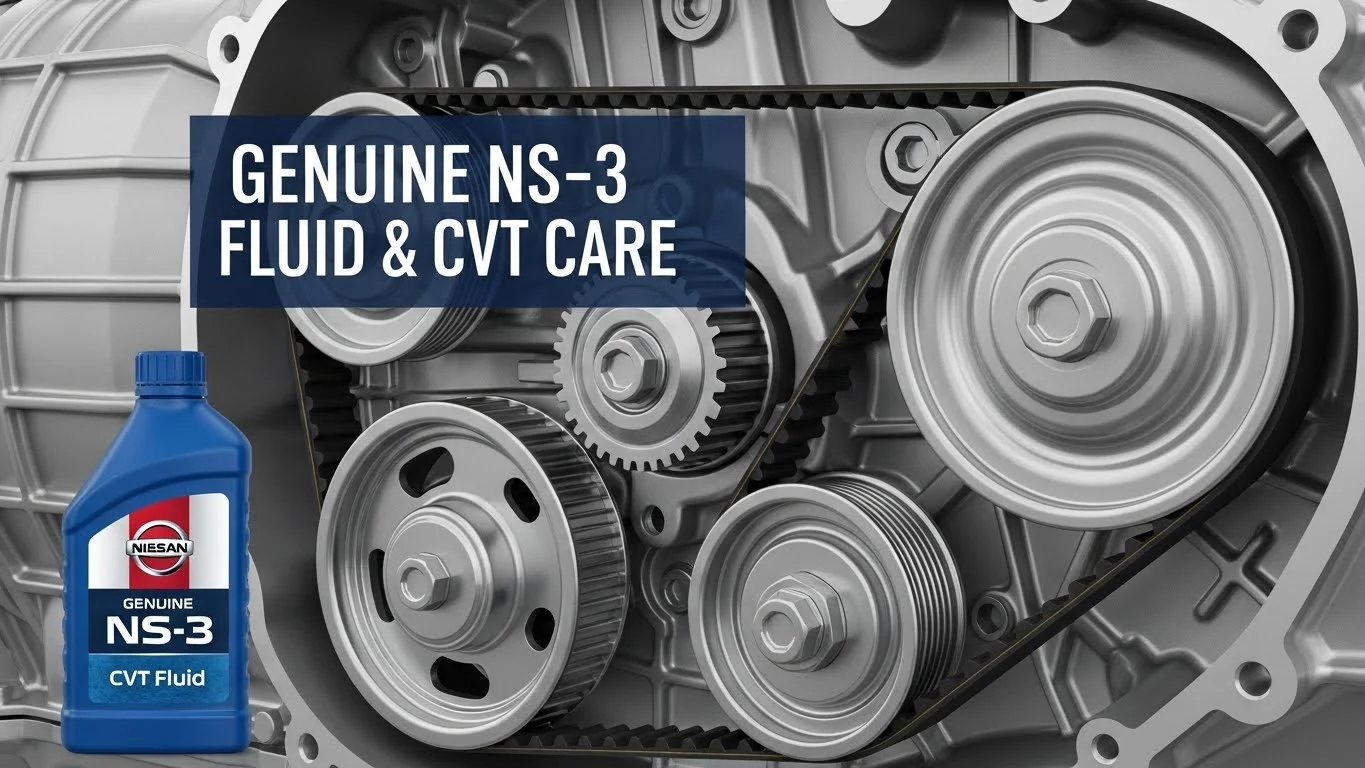
Always use genuine OEM parts and fluids to avoid compatibility issues that can literally destroy your transmission overnight. CVT transmissions are way more sensitive than traditional automatic transmissions from the past. They operate completely differently with a belt and pulley system rather than fixed gears.
The fluid absolutely must meet exact specifications or the transmission fails prematurely costing thousands. Nissan CVT fluid is admittedly not cheap but it is way cheaper than replacing a new transmission entirely. Aftermarket fluids claiming to be compatible often are not quite right chemically. The slight chemical differences cause problems over time that may not show up immediately.
Stick with genuine Nissan CVT fluid or you are gambling with a five thousand dollar repair bill. Changing CVT fluid is not really a DIY job for most people without proper equipment. It requires specific procedures and specialized tools to do correctly. The transmission holds way more fluid than actually drains out when you drop the pan. Proper service involves a fluid exchange machine that removes old fluid while simultaneously adding new.
Just draining and filling only replaces about half the total fluid capacity. The rest stays trapped in the torque converter and valve body and cooler lines. Take it to a shop that genuinely knows Nissan CVTs and has the right equipment. Do not trust just any shop to work on your CVT properly.
Common Nissan Altima Problems by Year
Older models can develop engine problems over time or faulty sensors that trigger annoying check engine lights or brake wear sooner than expected.
Certain specific model years have been reported to have common reliability issues like CVT shudder during acceleration or steering lock failures that actually strand you somewhere.

- Knowing these issues helps you plan recommended service for high mileage vehicles appropriately.
- A proactive approach can genuinely save thousands in repair costs over the entire life of your car.
- The 2013 to 2016 Altimas have well documented CVT problems that many owners experienced.
- If you own one of these specific years be extra diligent about transmission fluid changes.
- Watch carefully for shuddering or hesitation or slipping when accelerating.
- Catch it early and you might avoid complete catastrophic failure.
Wait too long and you are looking at full transmission replacement costing thousands.
Some model years had documented issues with the steering lock mechanism failing randomly.
- It would fail completely and prevent the car from starting at all.
- Nissan eventually issued a recall for this on certain affected vehicles.
- Check if your specific VIN is included in any open recalls immediately.
- Recalls are completely free repairs so definitely take advantage of them.
- Sensors fail as cars age beyond 100,000 miles normally.
- Oxygen sensors and mass airflow sensors and crankshaft position sensors all eventually wear out.
- These trigger check engine lights that stay on constantly.
- Do not ignore warning lights hoping they magically go away on their own.
- Get the codes read at any auto parts store completely free.
- Then research whether it is urgent or can wait a few weeks.
- Some codes mean stop driving immediately before damage occurs.
- Others just mean schedule service soon when convenient.
- Knowing the difference prevents either unnecessary panic or catastrophic expensive damage.
Cost of Maintaining a Nissan Altima
Understanding realistic maintenance costs helps you budget appropriately for car ownership expenses.
The cost to maintain varies significantly based on geographic location and driving style and whether you use OEM or cheaper aftermarket parts.
- On average expect to spend roughly 400 to 600 dollars per year for standard scheduled maintenance.
- This covers oil changes and tire rotations and brake inspections and fluid top offs and air filters.
- Major repairs such as fixing overheating issues or replacing the entire CVT transmission can cost much much more.
Using a trusted ASE certified mechanic or Nissan dealership service center ensures repairs are done right the first time.
- Cheap repairs often need redoing which actually costs way more overall in the end.
- Pay for quality work upfront and save money long term over years of ownership.
- Geographic location affects costs significantly across different states.
- Labor rates in California or New York run way higher than Kansas or Tennessee.
- The same basic oil change costing 40 bucks in the Midwest might be 80 bucks on the coasts.
- Parts prices vary too with dealers typically charging more than independent shops.
- But dealer technicians genuinely know Nissan vehicles better and have access to technical service bulletins.
- For complex problems the dealer expertise is absolutely worth the extra cost.
- For simple routine stuff like oil changes any competent shop works fine.
How to Lower Maintenance Costs
Smart owners find creative ways to reduce costs without sacrificing quality or safety.
You can lower your repair costs significantly by learning basic DIY maintenance tasks yourself.
Tasks like oil changes and air filter swaps and tire rotations can be done at home with basic tools and a little research online.
YouTube has detailed tutorials for almost every maintenance task imaginable on Altimas.
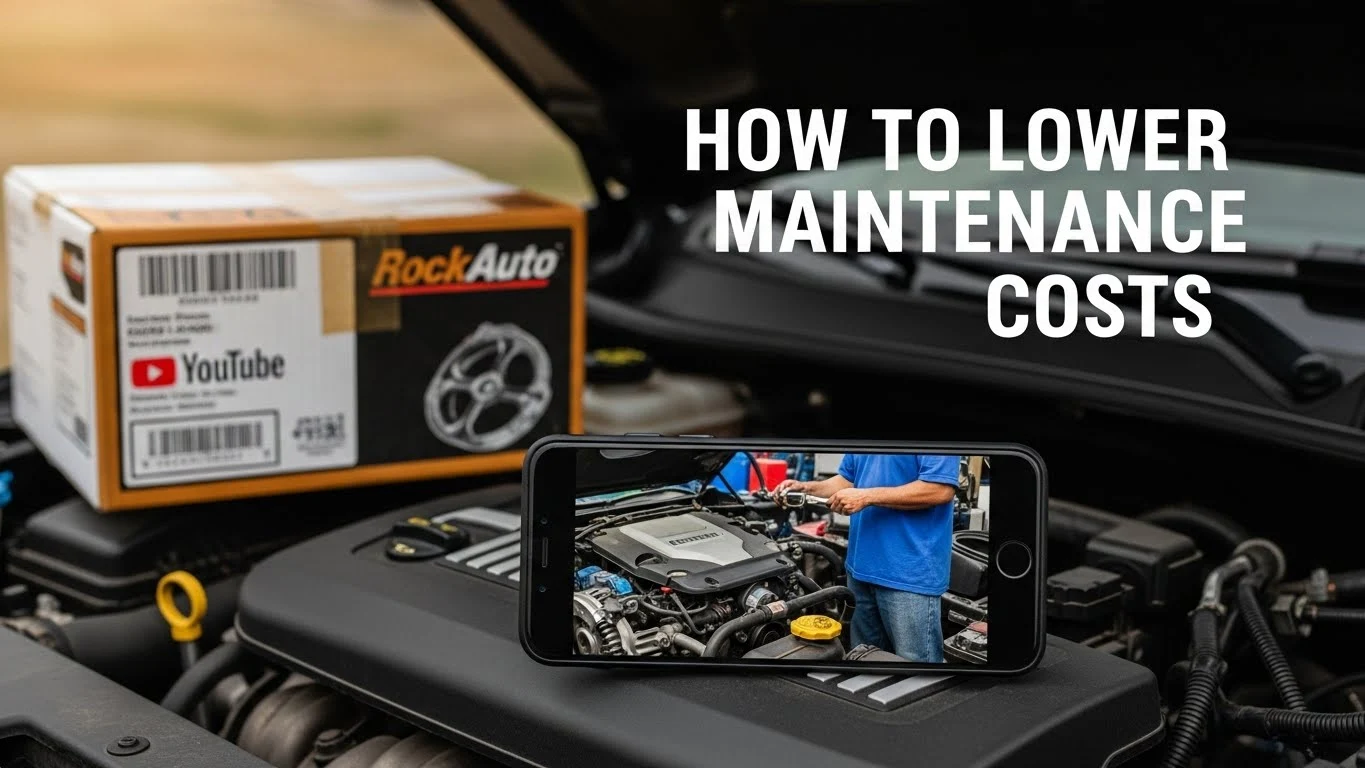
Watch a few videos then give it a try yourself carefully.
Start with simple jobs and gradually work up to more complex ones as confidence grows.
- Another way to save is by following seasonal maintenance checklist guidelines carefully.
- This includes winter maintenance tips like battery checks and tire swaps and summer car care steps such as AC inspection and coolant testing.
- Seasonal prep prevents problems before they happen at inconvenient times.
- Checking your battery before winter means not getting stranded in a freezing cold parking lot.
- Testing your AC before brutal summer means not sweating through a heat wave while waiting for repair appointments.
- Buy parts online to save serious money on components.
- RockAuto and Amazon sell genuine OEM parts for way less than dealers charge.
- You can often save thirty to fifty percent on identical parts.
- Then take those parts to an independent mechanic who charges less for labor than the dealer.
- Just make absolutely sure the parts are actually OEM quality not cheap knock offs.
- Read customer reviews carefully before buying anything online.
- Join Altima owner forums online to learn from others experiences.
- Other owners share which repairs they have done and what they actually paid.
- You learn which shops are trustworthy and which ones consistently overcharge customers.
- Community knowledge saves you from expensive mistakes others already made.
DIY vs Professional Maintenance
- Doing your own service saves serious money but certain jobs absolutely require a professional with proper training and equipment.
- Complex repairs like transmission problems or electrical troubleshooting or timing chain replacement are genuinely best left to experts with years of experience.
- Choosing an ASE certified mechanic means the person working on your car has passed strict industry tests proving real competence.
- They will also know why using OEM parts for service protects performance and warranty coverage better than cheap alternatives.
- Know your personal limits with DIY work honestly.
- Changing oil is simple and completely safe for anyone.
- Replacing brake pads requires more skill and specialized tools.
- Working on electrical systems or engine internals is expert territory only.
- Attempting repairs beyond your skill level creates bigger problems than you started with.
- Be brutally honest about your actual abilities.
- There is absolutely no shame in paying a professional for complex work.
- That is literally what they spent years training to do properly and safely.
Pro Tips for Extending Your Altima Lifespan
- Making your Altima last requires consistent effort and smart habits over time.
- To make your Altima last follow performance maintenance tips such as regular oil changes and prompt brake pad replacements and correct tire pressure checks weekly.
- Simple habits like learning how to check tire pressure properly and when to replace brake pads before metal on metal grinding can make a huge difference.
- Preventing small problems early keeps your Altima running smoothly for well over 200,000 miles easily.
- Drive gently without aggressive acceleration or hard braking unnecessarily.
- Let the engine warm up for a minute before driving off in winter.
- Avoid short trips under five miles when possible as they are hardest on engines.
- Use cruise control on highway to reduce wear and improve fuel economy.
- Park in shade or garage to protect paint and interior from sun damage.
- Wash regularly to prevent rust especially if you live where they salt roads.
- These simple habits cost nothing but add years to your car life.
Reaching 200,000 Miles and Beyond
- With proper care many Altimas reach high mileage without major issues at all.
- Stick to the maintenance schedule religiously without skipping anything.
- Address problems immediately when they appear before they get worse.
- Use quality fluids and OEM parts always for reliability.
- Drive smoothly without aggressive acceleration or hard braking.
- These habits combined with regular inspections ensure your Altima lasts decades.
- Some Altimas on owner forums report over 300,000 miles still running strong.
- That level of longevity requires dedication to maintenance from day one.
- But it proves the car can last if you treat it right consistently.
FAQ
What year to stay away from Nissan Altima?
Avoid the 2013 Nissan Altima due to widespread CVT transmission problems and high repair costs reported by many owners across the country.
What is the most common problem with the Nissan Altima?
The most common issue is CVT transmission failure often leading to jerking or slipping or complete drivetrain breakdown requiring replacement.
What is the most reliable year for a Nissan Altima?
The 2017 Nissan Altima is considered highly reliable with fewer mechanical complaints and solid long term performance ratings from owners.
Is the Nissan Altima a good reliable car?
Yes when well maintained the Altima delivers strong fuel economy and comfort and dependable performance for many years of ownership.
How often should I change my Altima oil?
Change oil every 5,000 to 7,500 miles depending on driving conditions with synthetic oil for best protection and engine longevity over time.